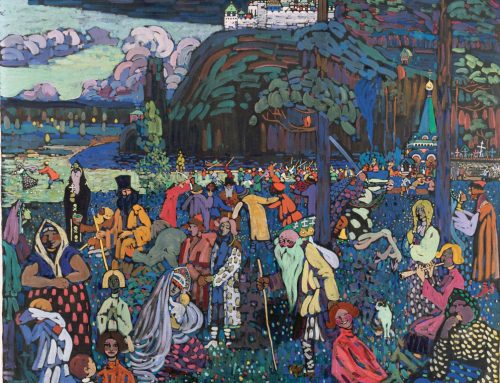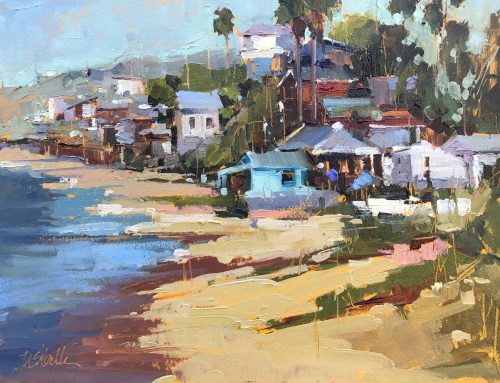
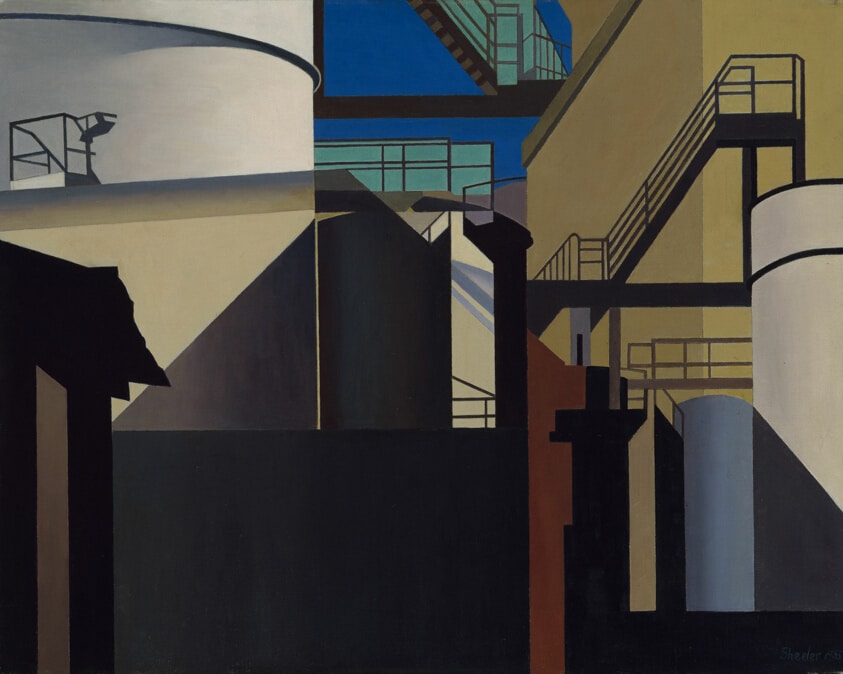
“Make it New” was the rallying cry of Modernism, painters like Picasso, Modigliani and Sheeler pushing still life, portrait and landscape into unexplored artistic territory.

Detail , Amedeo Modigliani, Jeanne Hébuterne, 1919. The Metropolitan Museum of Art, New York, Gift of Mr. and Mrs. Nate B. Spingold, 1956 (56.184.2) (Image © The Metropolitan Museum of Art. Image source: Art Resource)
Perhaps you’re more of a traditionalist though and don’t feel the need to reinvent the wheel. Still, nothing’s stopping from from aiming to “make it your own.” Art really is about discovering and expressing your inner life and how you relate to the world. Doing so does require learning and forgetting technique – or consciously challenging the boundaries of what you’re learning all along.
Alongside your development of necessary technique and the essential principles of design, begin to make subtle deviations. Be a subversive learner. Push at the edges, try some risky moves. Steal fire. Refuse at every turn the dreaded urge to make it perfect. Perfect is the enemy not only of the good, it’s the bully of the personal, the opponent of what’s YOURS.

No one paints waterfalls quite like Kathleen B. Hudson – in this work, Early Sunlight on there Falls (Oil on linen, 40 x 60 inches), she has put herself into it and made the subject her own. If you’d like to learn more about her philosophy and techniques, you may want to look into her hit teaching video, Waterfall Secrets.
Many an excited beginner loses interest when technical training seem to fall short – when what’s really needed is a rallying cry part determination and part devil-may-care abandon! And it’s not just beginners by any means; many an “ascended master” artist lapses into dialing it in because they think “experimentation” won’t sell their paintings – when on the contrary, it’s experimentation and play that keeps work fresh and true.
The beginner’s #1 difficulty is the fear that they’ll never be able to make a good painting. This is totally false – literally anyone can do so if they’re determined enough. Yet beginners also have the advantage of freedom – anything goes! No one cares! Don’t fight your medium – fall in love with it, and let your love blind you to your lover’s flaws!
Free Your Mind
What do you do with the leftover paint at the end of a painting session? No one likes to waste paint, so try this exercise: challenge yourself to make a quick painting, no more than 20 minutes, using the leftover paint on your palette.

Steve Curry, Moon and Clouds, oil, custom frame.
Put down a color – any color – and stood back for a second and look back at the palette – given only what’s on there already, what comes next? Choose a color or a shape to put near or next to the first one, varying the mark’s size or shape or direction. Now you not only have two color-shapes relating to each other, you have a beginning. Of what? Only way to find out is to keep going.
You may not make a masterpiece, but you’ll avoid wasting expensive paint and you’ll have a great time doing it. And you will learn things you didn’t know about your medium and yourself, which in subtle ways will inform your more deliberate painting later. And that’s what it’s all about.
If you’re ready to explore your own path as a painter, you may want to check out Finding Your Voice, Painting with Creative Expression by Steve Curry.
PleinAir® Salon: Unique Technique Snags Second Place Spot

Beth Bathe, La vie est Belle, oil, 12″ x 16″
Oil painter Beth Bathe has won Second Place in the March PleinAir® Salon for her oil A La Vie set Belle (Life is Beautiful).
A resident of Lancaster, PA., Bathe embraced the full-time painting life following a long career as a graphic designer. Primarily painting in oil en plein air since 2013 she participates in high profile competitions from Maine to Washington State, winning numerous awards and honors. She was s a featured artist in the 2018 February/March issue of PleinAirMagazine
Bathe’s singular technique involves thin washes with a limited tonalist palette, using unconventional tools such as squeegees and qtips along with her brushes. Her representational paintings have been described by critics as evoking nostalgia, like that of an old sepia toned photograph, often with just touches of color. She is highly influenced by painter Andrew Wyeth, and her subject matter is often what she refers to as the “vanishing landscape,” including finding beauty in buildings, barns and old towns of a time gone by and often beyond their prime.
Enter the monthly PleinAir® Salon
Enter your best work today in the monthly PleinAir Salon with over $33,000 in cash prizes and exposure of your work. The winning paintings are showcased in Inside Art and other Streamline publications, and the Grand Prize annual selection will be featured on the cover of PleinAir® Magazine. Visit PleinAirSalon.com to learn more.