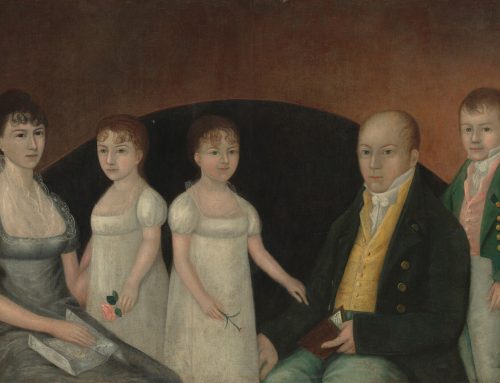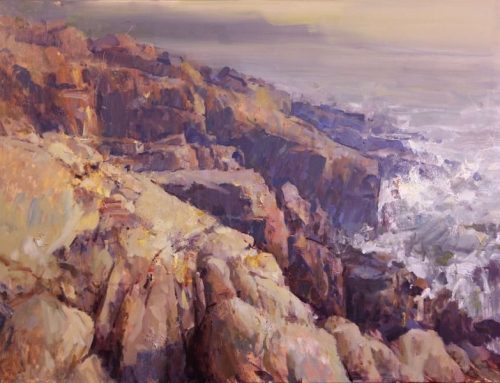
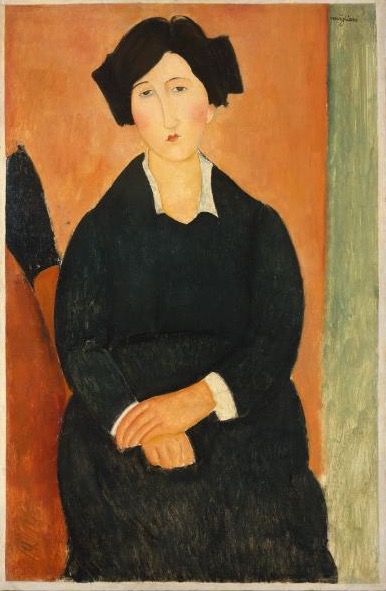
For most of its history, portraiture had a job to do: project power. A commissioned likeness told the viewer who mattered, who ruled, who deserved to be remembered — the sitter’s wealth, status, and place in the social order rendered in paint for posterity. That function held for centuries. Then the 20th century arrived, and portraiture had to answer a much harder question.
That question — what does a portrait actually represent, once it stops being about power? — sits at the center of The Face of Life: Modern Portraits, a new exhibition at the Metropolitan Museum of Art. Drawing on nearly 80 works from the Met’s collection, spanning roughly 1900 to the 1960s, the show traces how portraiture bent and expanded alongside a century of upheaval: two world wars, the rise of photography, the emergence of psychology as a science, and the accelerating pace of industrial life. Artists including Alice Neel, Pablo Picasso, Henri Matisse, Elizabeth Catlett, René Magritte, Marsden Hartley, and Leonora Carrington all grappled, in different ways, with a genre that no longer had a fixed purpose.
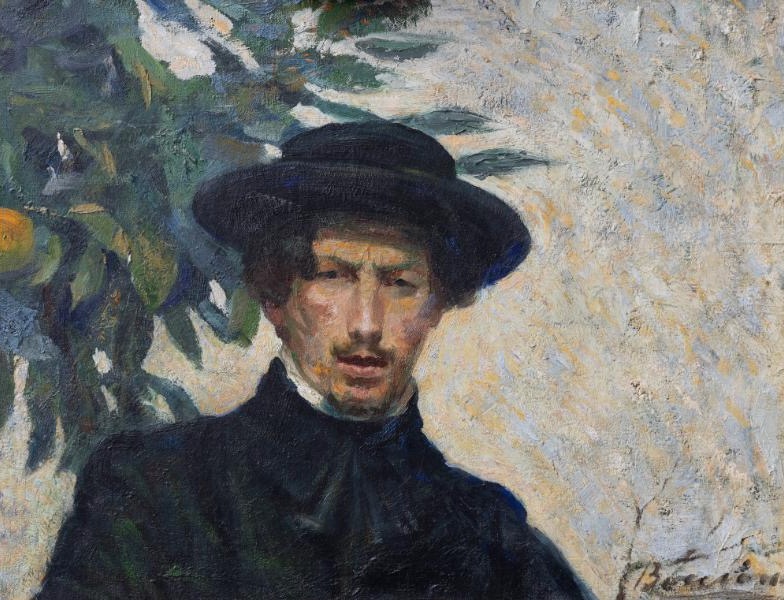
“Self-Portrait,” Umberto Boccioni (Italian, Reggio 1882–1916 Sorte), 1905, oil on canvas, 21 1/2 × 27 5/8 in., Metropolitan Museum of Art, Bequest of Lydia Winston Malbin, 1989
Neel — whose portraits remain some of the most psychologically direct of the century — described the underlying urge simply: the need to document people “in the face of life that comes crashing about you.” That’s the real subject of this exhibition. Once portraiture stopped being obligated to commemorate or flatter, it became something closer to a record of lived experience — communication rather than commission, evidence of a moment rather than a monument to status. Some of the works in the show don’t even depict a figure directly, and still manage to represent a person.
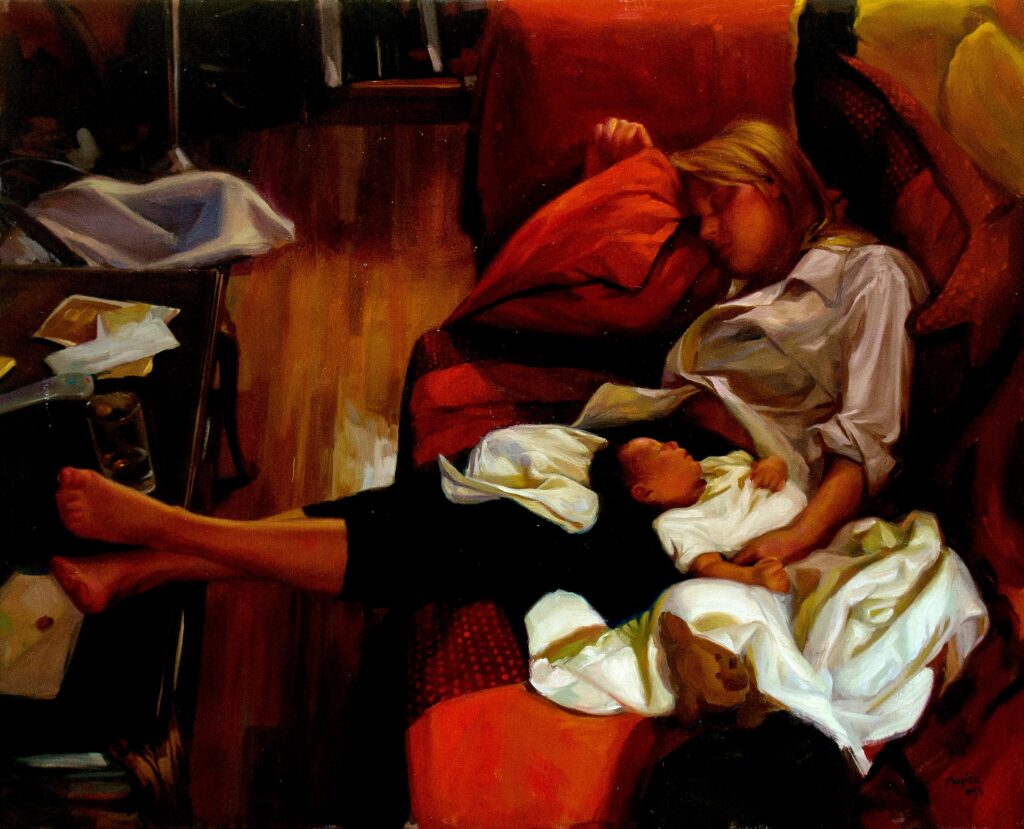
“Exhausted” by Ricky Mujica
What the exhibition makes clear is that portraiture’s evolution wasn’t a departure from its original purpose so much as a deepening of it. The genre has always been about presence — about insisting that a person, and the fact of their having lived, be seen. The 20th century simply asked artists to find new ways to do that without the old scaffolding of power and status to lean on.
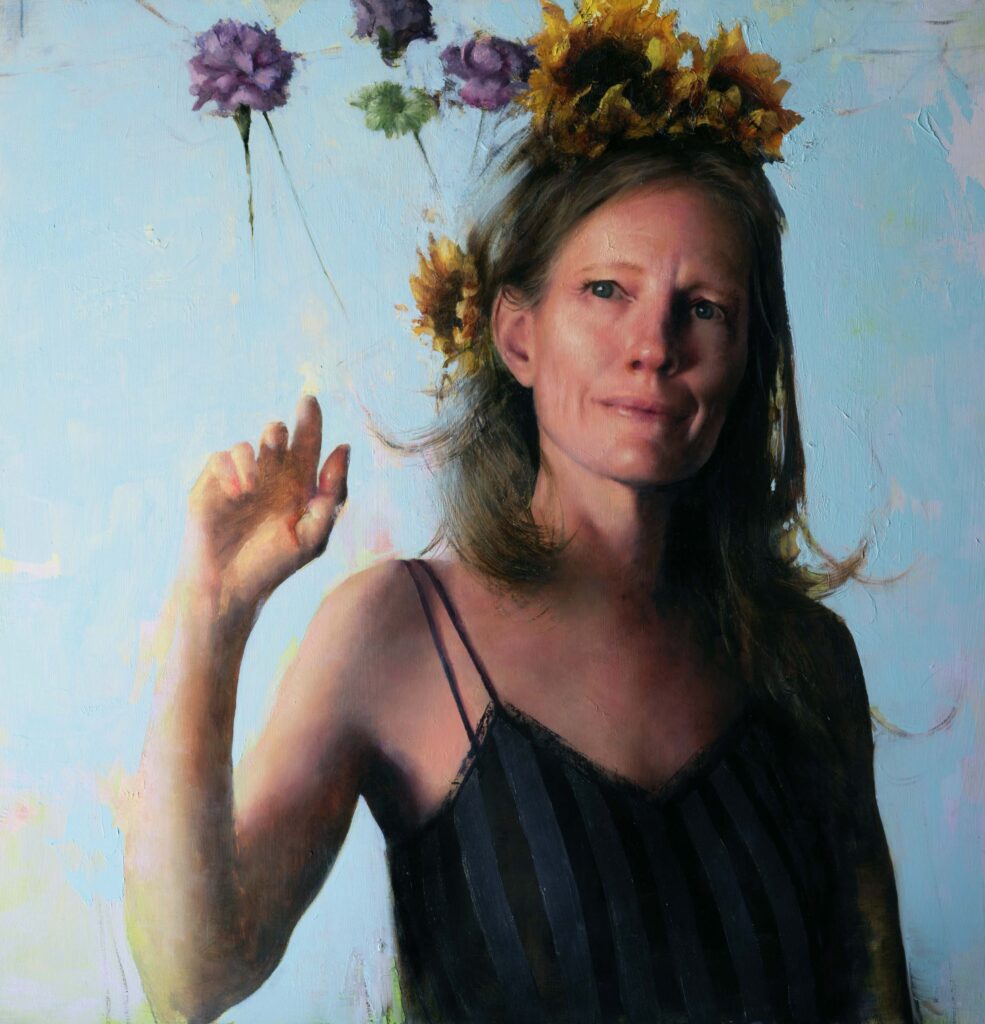
Painting by Jen Starling
That same challenge — capturing a real, specific presence on canvas — is exactly what Realism Live spends its sessions teaching. The upcoming virtual event brings together working portrait and figurative painters like Ricky Mujica and Jen Starling to break down exactly how they build a likeness that feels alive, not just accurate. Learn more and register for Realism Live.