Standing on the cliffs at Otter Point, looking back at Mount Desert Island’s bold, iron-bound coastline, it’s easy to understand why 19th-century artists couldn’t stay away. Long before Acadia became a national park, it was a magnet for painters — and those painters, in turn, are largely responsible for the park existing at all.
In the mid-1800s, a new movement was taking shape in New York: the Hudson River School. Its artists believed American landscapes deserved reverence not because they could be tamed, but because the raw, untamed power of nature was itself the point. At a time when Europe had its cathedrals and monuments, American painters argued that the nation’s wilderness was its monument. When a New York Literary World reviewer wrote in 1847 that “it behooves our artists to rescue from [Yankee enterprise’s] grasp the little that is left before it is forever too late,” it read almost like a mission statement — and Thomas Cole, Fitz Hugh Lane, and Frederic Edwin Church answered the call, making their way to the Maine coast.
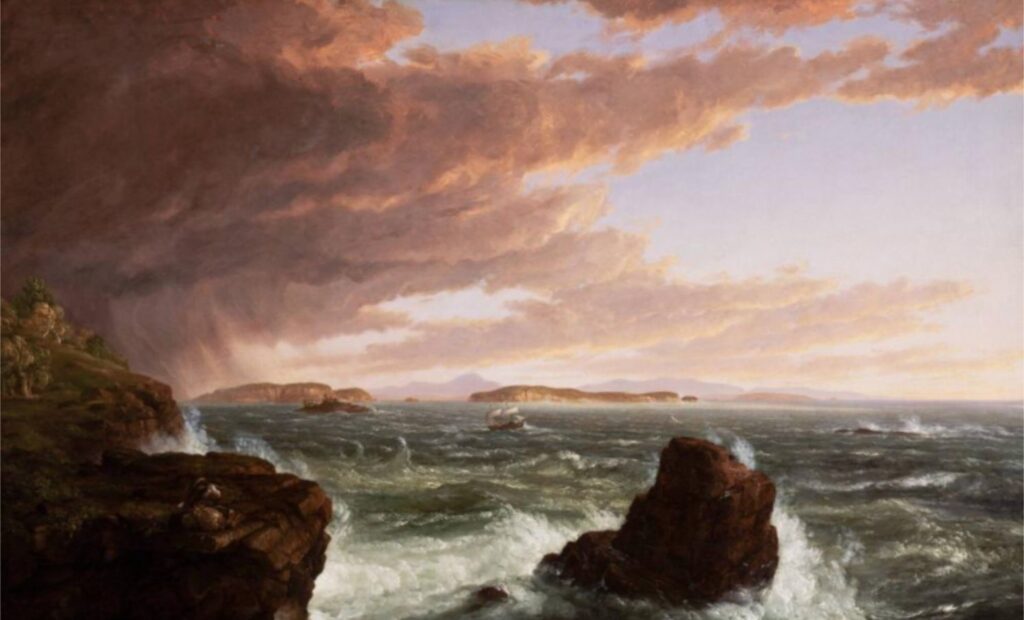
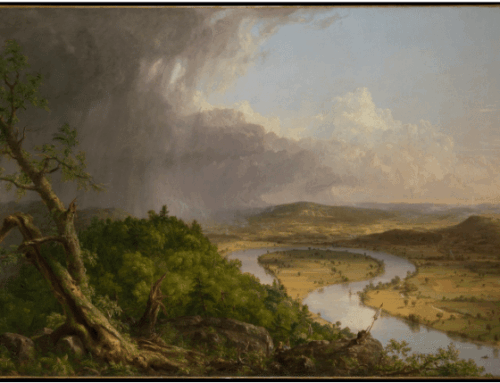
“View across Frenchman’s Bay from Mt. Desert Island, after a Squall,” Thomas Cole (1801–1848), 1845, oil on canvas, 38 5/16 × 62 5/8 in., Cincinnati Art Museum, Gift of Alice Scarborough
Cole arrived first, sketching Mount Desert Island in 1844 and returning to his studio to paint Views Across Frenchman’s Bay from Mt. Desert Island, After a Squall (1845). He described the coast as “iron bound — threatening crags, and dark caverns in which the sea thunders” — and that drama is exactly what he put on canvas. At the center of the composition, a tiny ship is tossed by a clearing storm, dwarfed by sky and sea at their most theatrical. Cole wasn’t after topographical accuracy — he rearranged the islands for effect — but he was after something truer: the insignificance of man before the sublime.
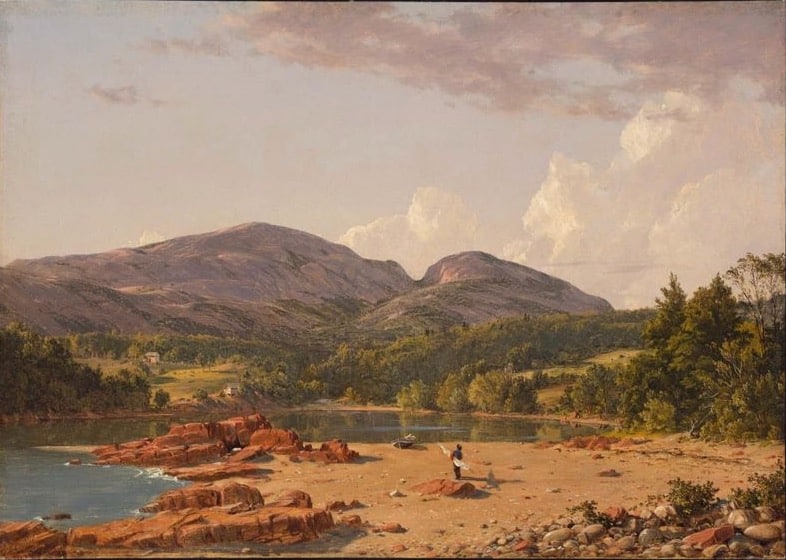
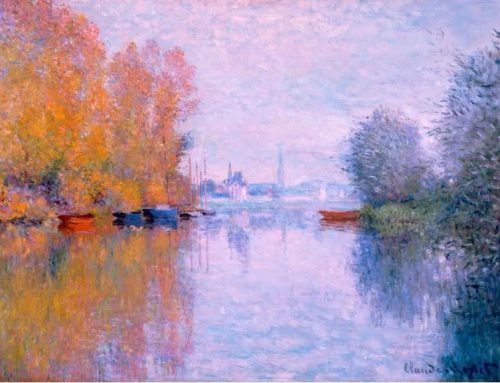
“Otter Creek, Mt. Desert,” Frederic Edwin Church (1826–1900), 1850, oil on canvas,16 3/4 x 24 in., Museum Fine Arts, Boston, Seth K. Sweetser Fund, Tompkins Collection—Arthur Gordon Tompkins Fund, Henry H. and Zoe Oliver Sherman Fund and Gift of Mrs. R. Amory Thorndike
That painting changed the course of American art. Cole’s protégé, Frederic Edwin Church, followed him to Mount Desert Island and, in 1850, painted Otter Creek, Mt. Desert. Where Cole leaned into turbulence, Church brought clarity — a crisp, luminous light reminiscent of the Düsseldorf School painters then being celebrated in New York. Church set the craggy faces of Cadillac and Dorr mountains against a small settler’s cottage at their base, echoing Cole’s recurring theme: wilderness and civilization, face to face. Church may have also been drawn north by Thoreau’s own essays on the Maine wilderness, published just two years earlier.
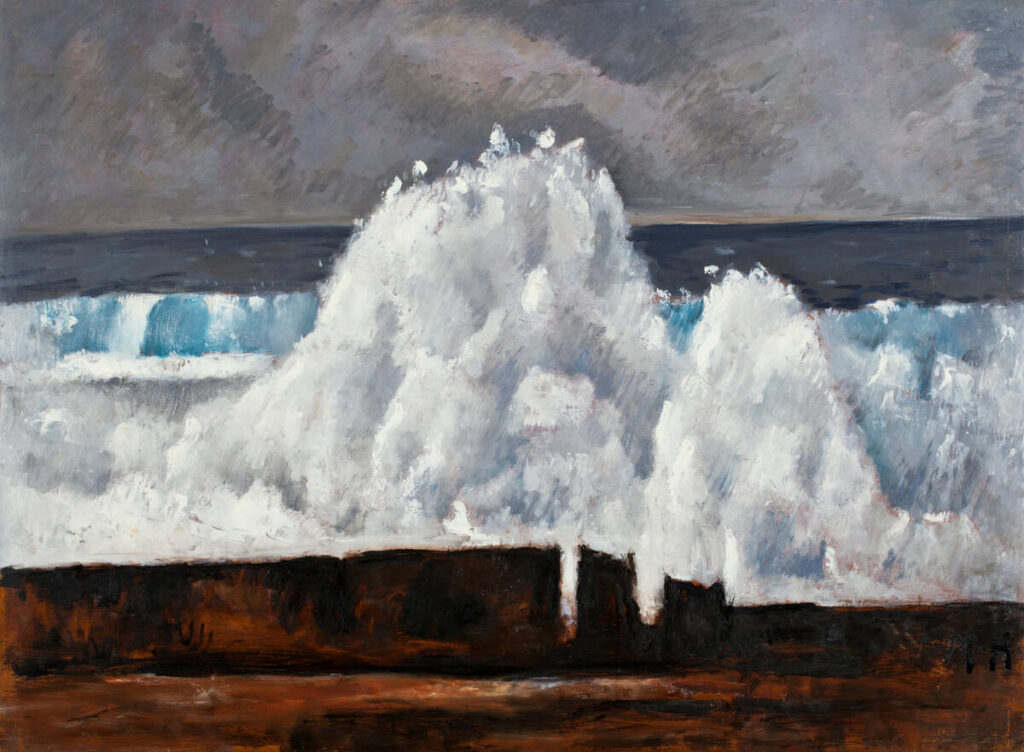
“The Wave,” Marsden Hartley (1877-1943), 1940-1941, oil on masonite, 30 1/4 x 40 7/8 in., Worcester Art Museum, Massachusetts
Nearly a century later, the island was still calling artists north. In the late 1930s, painter Chenoweth Hall and her partner Miriam Colwell would drive to fetch their friend and neighbor Marsden Hartley whenever a storm rolled in — Hartley didn’t even own a car, or bring supplies. He’d simply sit at Schoodic Point and watch. Out of those vigils came The Wave (1940–41), a churning, mountainous ocean that art historian John Wilmerding called “as substantial and monumental as a mountain.” It remains one of the defining works of American Modernism — and one more proof that this coastline has never stopped demanding to be painted.
Cole, Church, and Hartley never painted the same Acadia. One found the sublime in a passing storm, one found it in clarifying light, and one found it in an ocean’s full fury. What they shared was the instinct that brought them here in the first place — and it’s the same instinct that still pulls artists to these cliffs today.
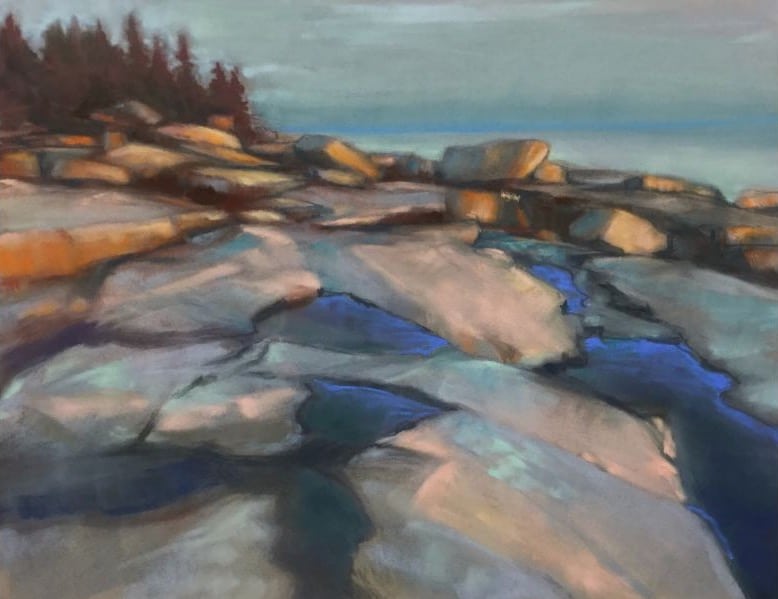
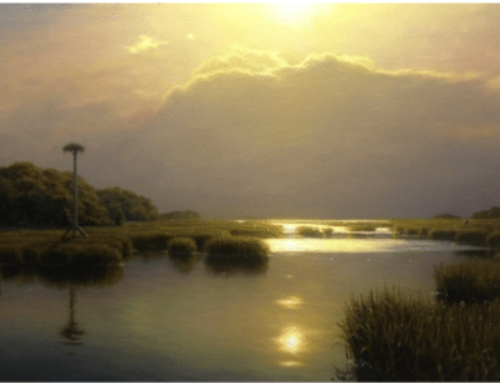
“Schoodic Sunset,” Nancy Silvia, 2016, pastel, 11 x 14 in.
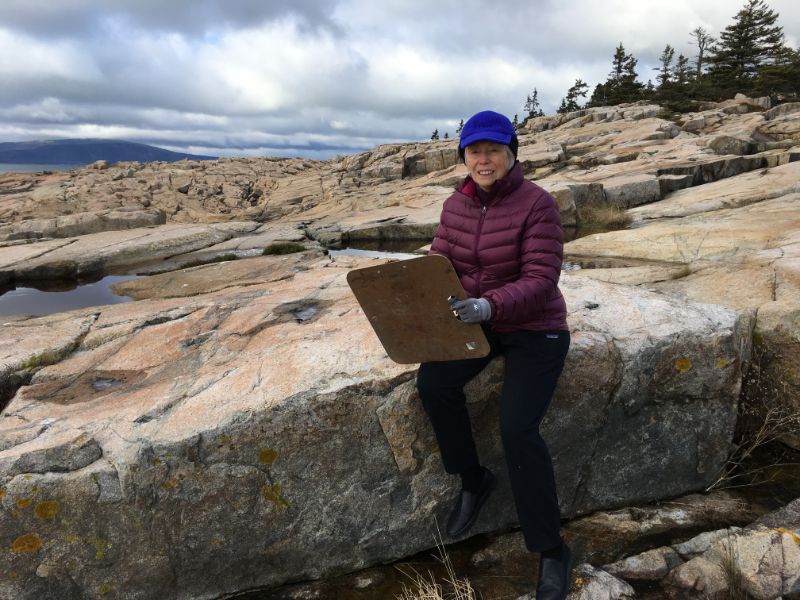
Nancy Silvia
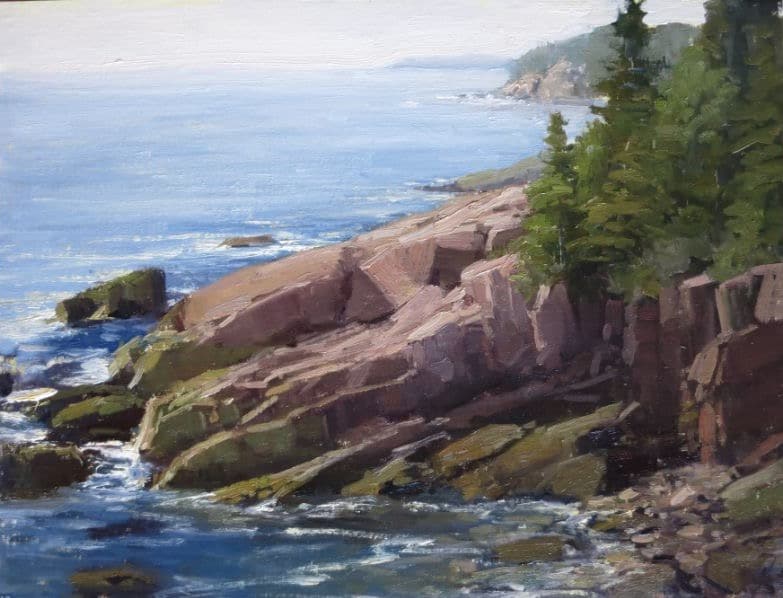
“Acadia in August,” Kathleen Dunphy, 2015, oil, 12 x 16 in.
STAND WHERE COLE, CHURCH, AND HARTLEY STOOD
If you’ve ever wanted to feel that pull yourself, Eric Rhoads’ Fall Color Week in Acadia puts you on the same coastline that shaped Cole, Church, and Hartley — paintbrush in hand, during the island’s most spectacular season. October 11-18, 2026.
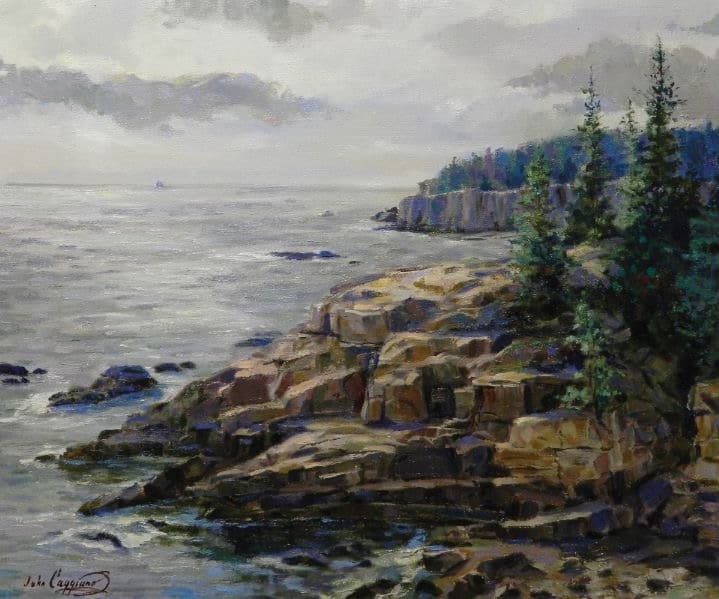
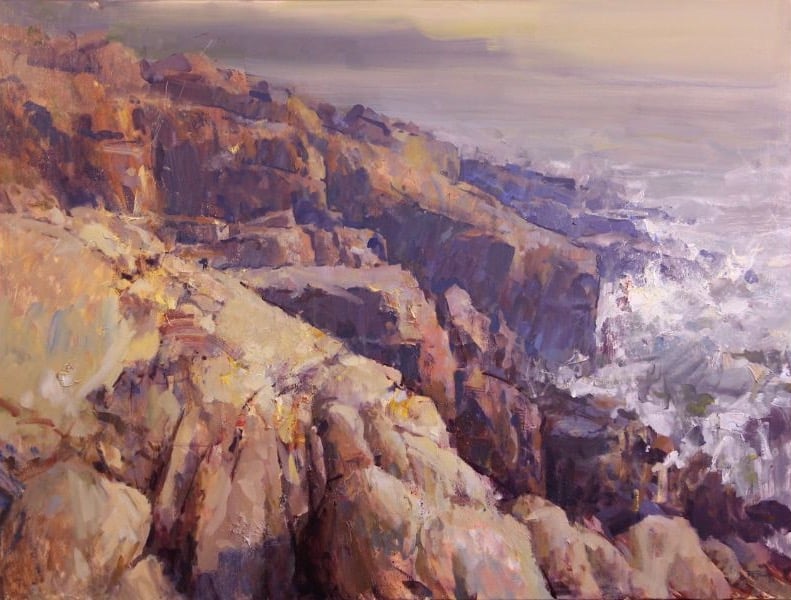
“Toward Otter Point,” John Caggiano, oil, 20 x 24 in.