Art history has a way of hiding in plain sight. In the space of a few days this month, a Manhattan closet, a Cincinnati wall, and two Italian scholars each brought long-lost paintings back into the light.
The Closet
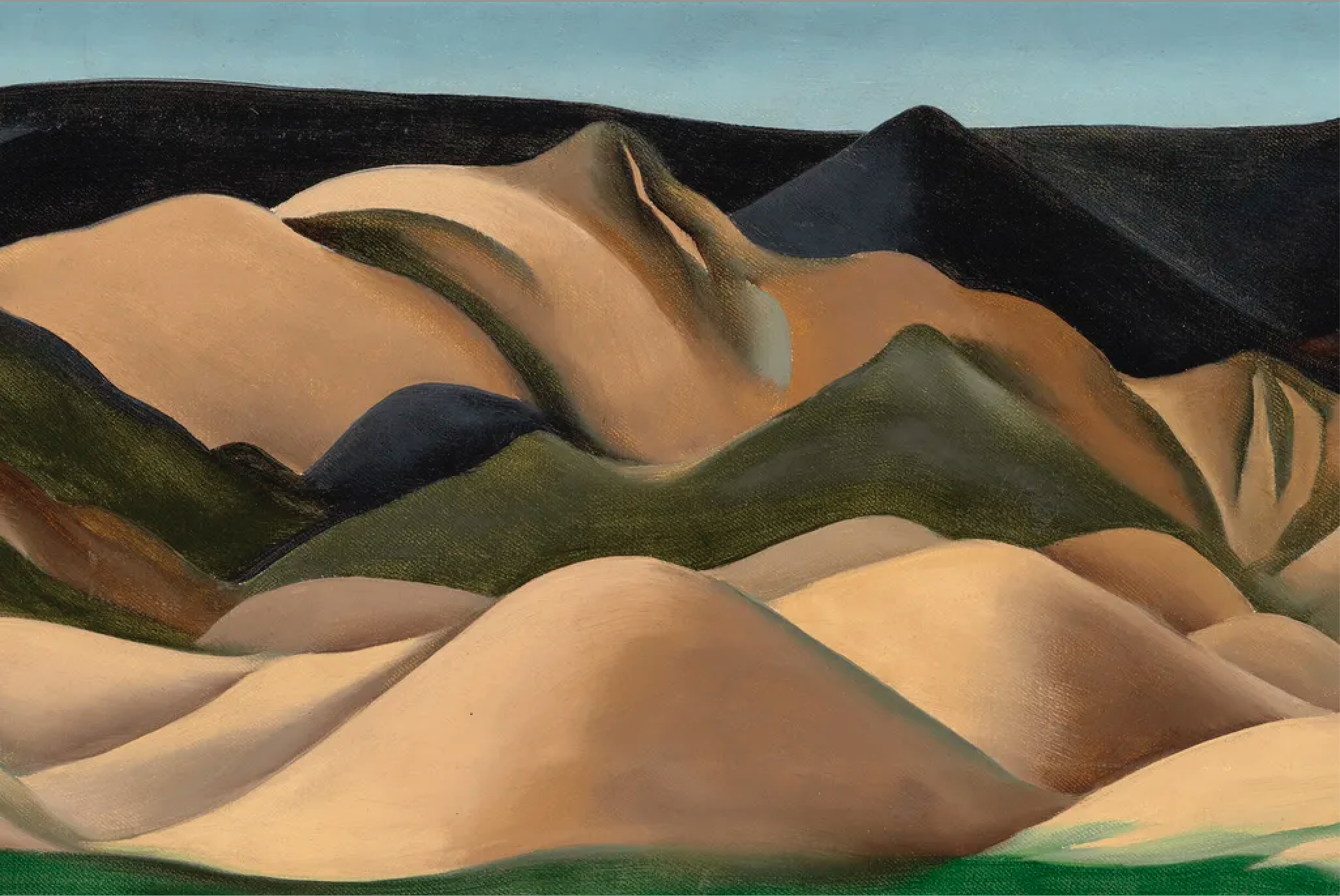
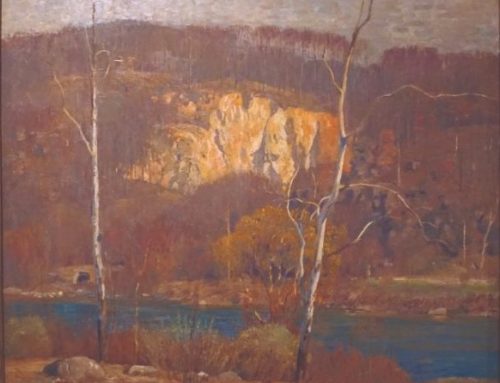
Georgia O’Keeffe, Near Abiquiu, New Mexico I, 1930. Courtesy of Christie’s New York
While helping her elderly aunt clean out her East Village apartment, a 65-year-old Rhode Island woman named Betsy found more than old clothes. Under a row of fur coats, still in its original box, was Georgia O’Keeffe’s Near Abiquiu, New Mexico I (1930). Until then, the art world had known the painting only from a single 1931 photograph by O’Keeffe’s husband, Alfred Stieglitz.
The 10 x 24-inch landscape is thought to be the first of three paintings O’Keeffe made of Lobo Peak, just a year after her first visit to New Mexico. The aunt received it from her mother as a graduation gift in the 1960s. It hung in her apartment until the mid-1980s, then sat in the closet for roughly 40 years. Christie’s identified it using Stieglitz’s photograph and the star-shaped signature O’Keeffe put on the back. It goes up for auction November 17 in Christie’s 20th Century Evening Sale and is expected to bring around $3 million. “I realized that it’s worth more than my house,” Betsy told the New York Post.
The Wall
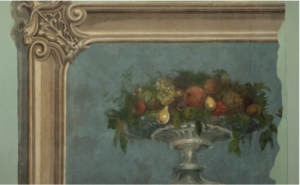
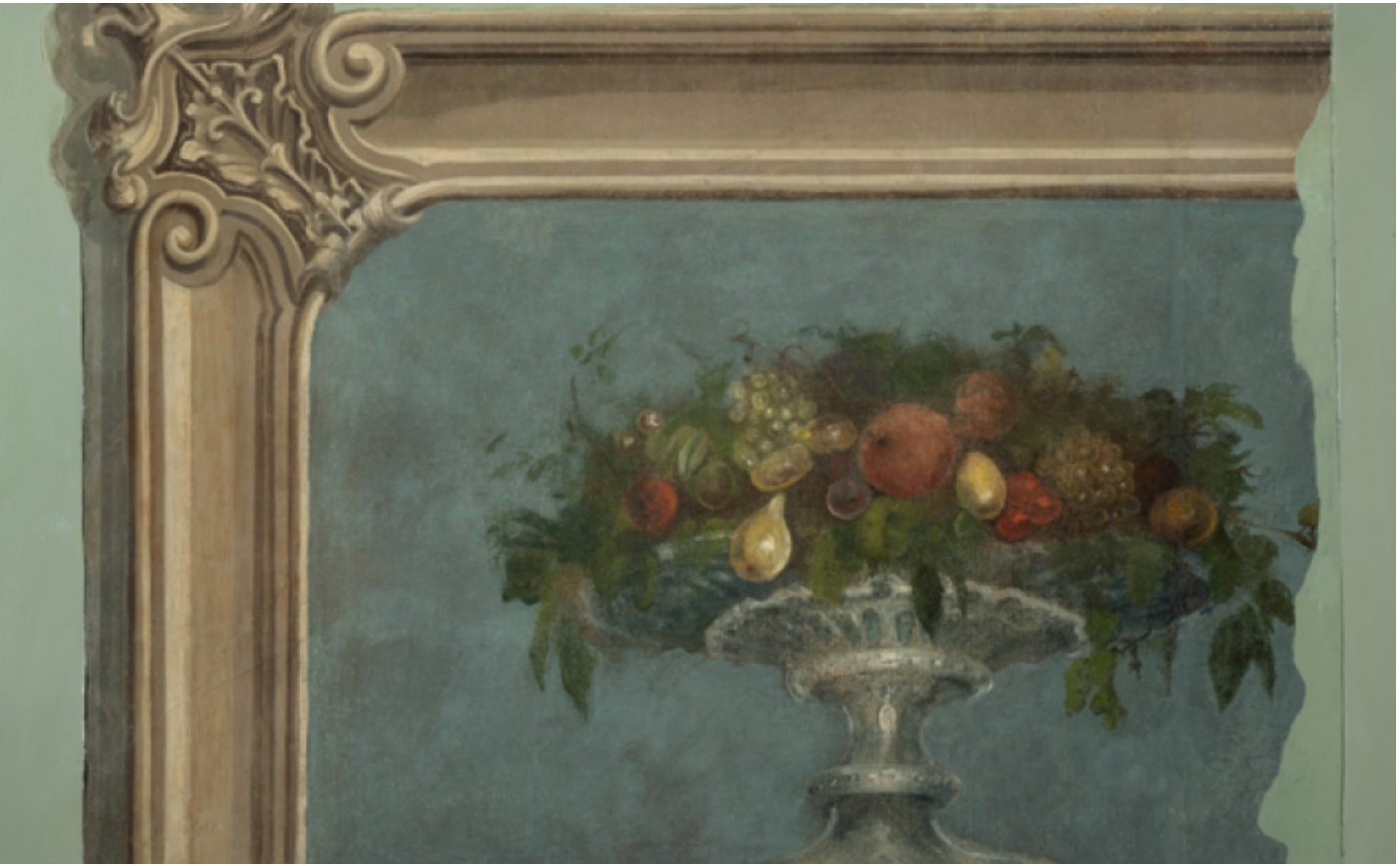
“Fruit Still-Lifes,” Robert S. Duncanson, about 1850-1852, oil on painted plaster, 31 1/2 x 43 5/8 in. Taft Museum of Art
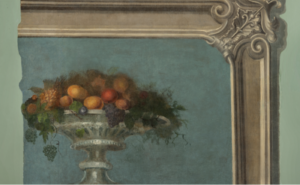
“Fruit Still-Lifes,” Robert S. Duncanson, about 1850-1852, oil on painted plaster, 31 1/2 x 43 5/8 in. Taft Museum of Art
In Cincinnati, the Taft Museum of Art has uncovered two overdoor still lifes by Robert S. Duncanson, the first Black American painter to earn international acclaim. Between 1850 and 1852, Duncanson painted eight monumental landscapes and four still lifes directly on the plaster walls of patron Nicholas Longworth’s foyer. That commission launched his career. Later renovations badly damaged two of the still lifes, and they spent more than 90 years under paint.
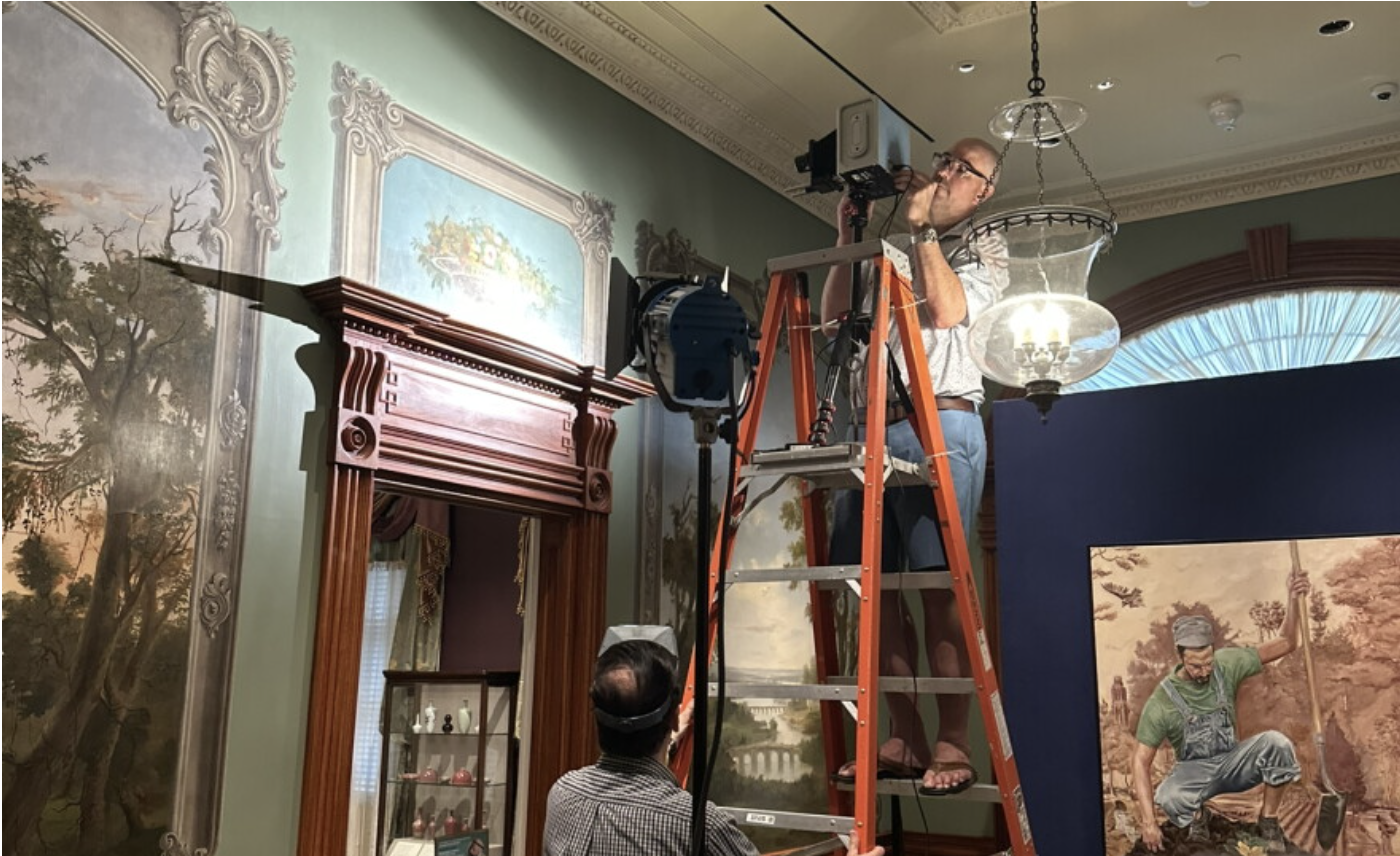
University of Cincinnati X-ray fluorescence of murals. Taft Museum of Art
Over five months, conservator Michael J. Ruzga removed seven layers of paint and plaster. Underneath were brightly colored bowls of fruit and vegetables, including grapes spilling over the edge, a nod to Longworth, America’s first successful winemaker. The restored murals set the stage for the largest Duncanson exhibition ever assembled, a retrospective organized by the Taft and the Virginia Museum of Fine Arts that opens October 30, 2027.
The Scholars
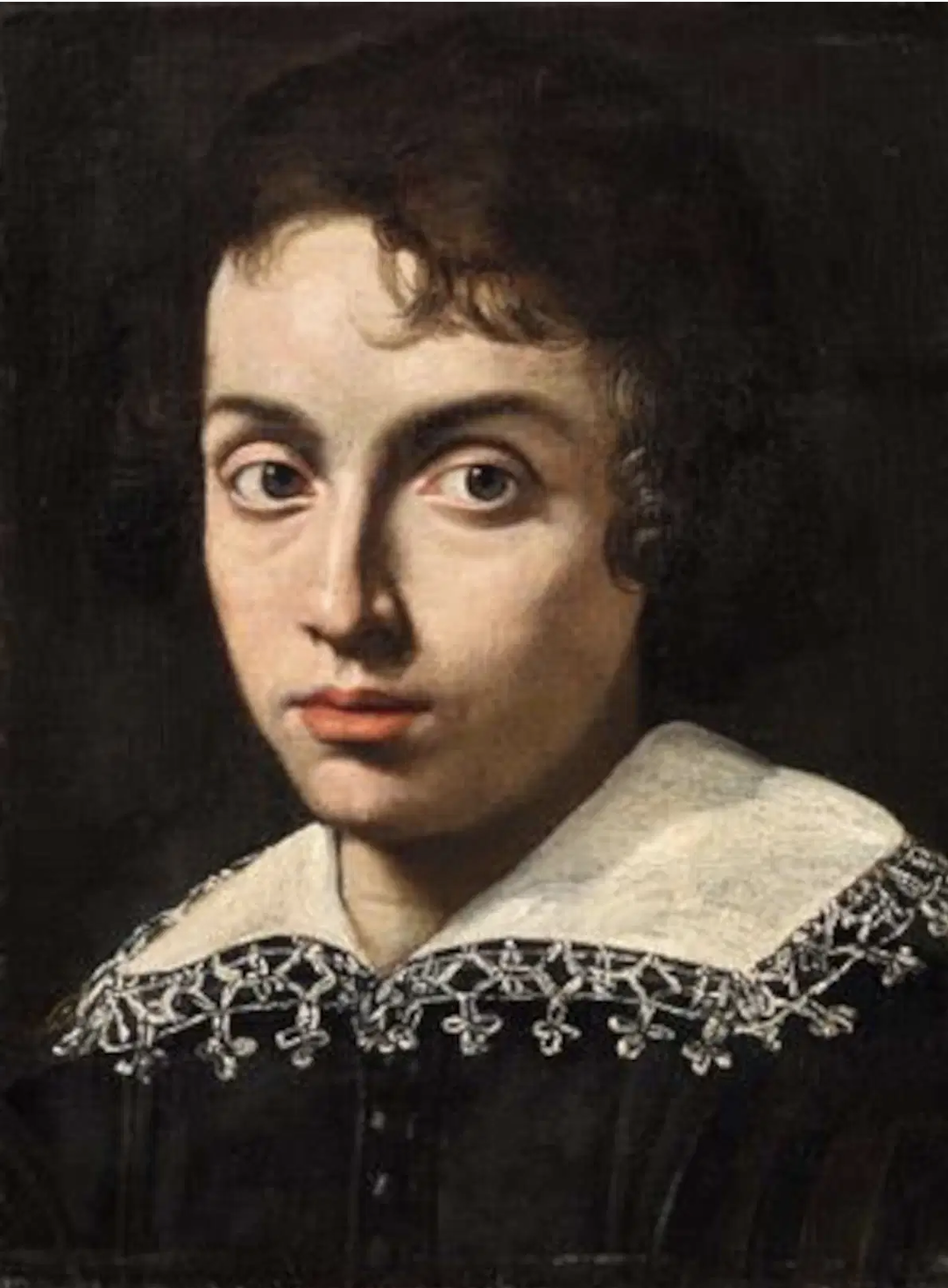
Attributed to Caravaggio, Portrait of a Young Man (oil on canvas, 41 x 31 cm)
Meanwhile, Italy saw two new Caravaggio attributions in 24 hours. On November 7, at a conference in Montepulciano, art historian Gianni Papi proposed that a small Portrait of a Young Man is by Caravaggio. The painting sold at Dorotheum several years ago as the work of a 16th-century Tuscan painter. The next day, Maria Cristina Terzaghi announced in La Repubblica that a painting in a private French collection is the original Young Man with a Vase of Roses, which until now was known only through copies. When it sold in Paris in 1909, it was labeled the work of an anonymous Italian painter. Terzaghi connects it to Caravaggio’s Boy Bitten by a Lizard and suggests both may belong to a series on the five senses.
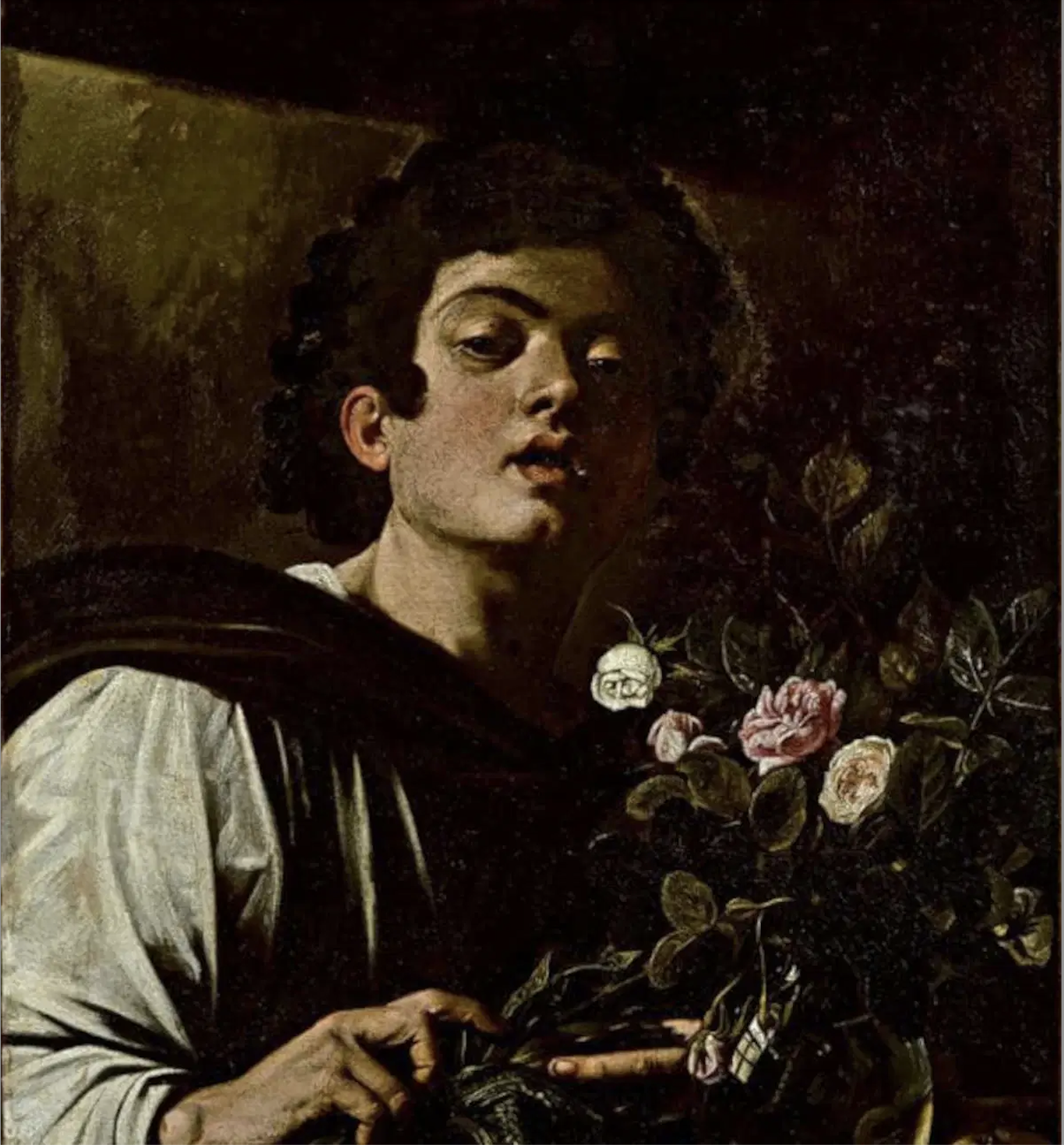
Attributed to Caravaggio, Young Man with a Vase of Roses (oil on canvas, 66 x 52.5 cm)
Both claims will face scrutiny, as Caravaggio attributions always do. Papi’s full argument won’t be public until the conference proceedings are published, and Terzaghi has promised a more detailed publication.
The Takeaway
Art history, it turns out, is still being written, sometimes by whoever opens the closet door.
Never Miss a Thursday Three!
InsideART brings you inspiring artist profiles, practical painting advice, and, every Thursday, the latest news from the art world, straight to your inbox. It’s free, and you can unsubscribe anytime. Sign Me Up ↑