
“Try not to become a person of success, but rather a person of value.” – Albert Einstein
Like most quotes floating around the interwebz, this one appears in various wordings, but Einstein really did say this, in so many words, and it’s a lesson artists find themselves learning over and over again.
Here’s what Einstein actually said:
“Never lose a holy curiosity. Try not to become a man of success but rather try to become a man of value. He is considered successful in our day who gets more out of life than he puts in. But a man of value will give more than he receives.” (The quote, according to the website Quote Investigator, appeared in the May 2, 1955 issue of LIFE magazine, published shortly after the great man’s death.)

Stephen Quiller, Ousel Bird, Hidden Falls, watercolor
So, how could curiosity be considered “holy“? Curiosity is holy, just as awe and joy are holy, when they fill us with a profound sense of wonder at the intrinsic beauty and value of life and our potential in the world as fully alive and naturally creative, giving individuals.

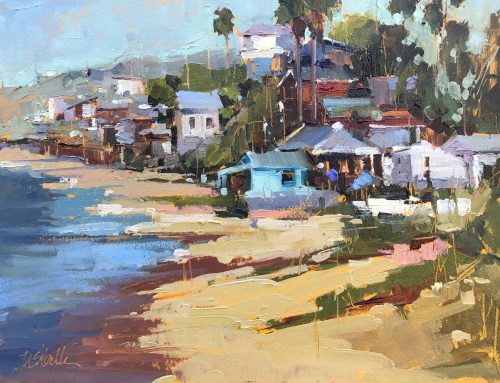
Kyle Buckland, Morning’s Arrival, oil

Oil by Cheri Christensen
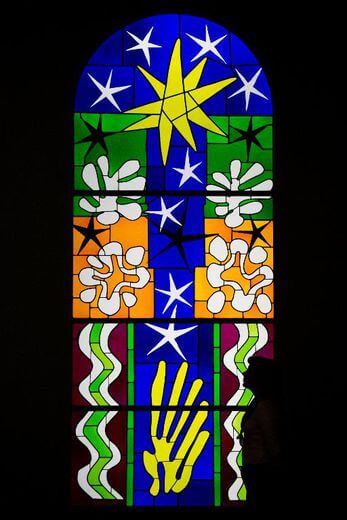
Henri Matisse, Nuit de Noel
―
Painting “Without a Net” |
 |
| Joseph McGurl, “Study of Brick and Stone,” 9 x 12 inches, Oil on panel, plein air sketch |
| On Plein Air Painting > “The plein air sketch forms the basis of all of my art making,” says Joe McGurl. “Despite the fact that many of my studio paintings are completely imagined scenes, they are informed by and based upon thousands of these sketches painted over a 30-year period. Working this way has required a significant amount of time meditating upon, observing, and desperately struggling to interpret nature in paint.
“Knowing that the only reference for developing subsequent studio paintings is what I have studied and painted on site encourages me to dig in and fight for every bit of information I can grasp before I leave the field. Because I am usually able to render the scene before me with enough fidelity to meet my needs, a photo to make corrections is not necessary. “Plein air painting without photographic reference as a backup is similar to that old cliché of walking a tightrope without a net. It compels one to concentrate at the highest levels.” Learn more about painting realism landscapes through Joseph McGurl’s PaintTube.TV workshops: Painting Light and Atmosphere and Advanced Landscape Painting (available as a combo set with over 25 hours of in-depth instruction here). |