
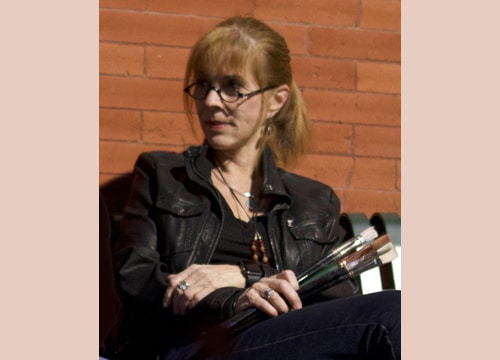
The plein air community has been taken sadly by surprise by the passing of artist Lyn Boyer.
Eric Rhoads shared, “I’m shocked to report that artist and dear friend Lyn Boyer has passed away. She was in good spirits, in no pain, and had just visited her daughter Amanda for dinner Thursday and only mentioned she was tired. Lyn had heart surgery months ago to repair a lifelong problem caused by a childhood illness. She has been gradually regaining strength.
“Lyn was a spirited, joy-filled artist. She did a couple of videos with us, taught at the Plein Air Convention, and was on my show several times. It’s hard to believe she is gone. Please keep her family in your prayers.”
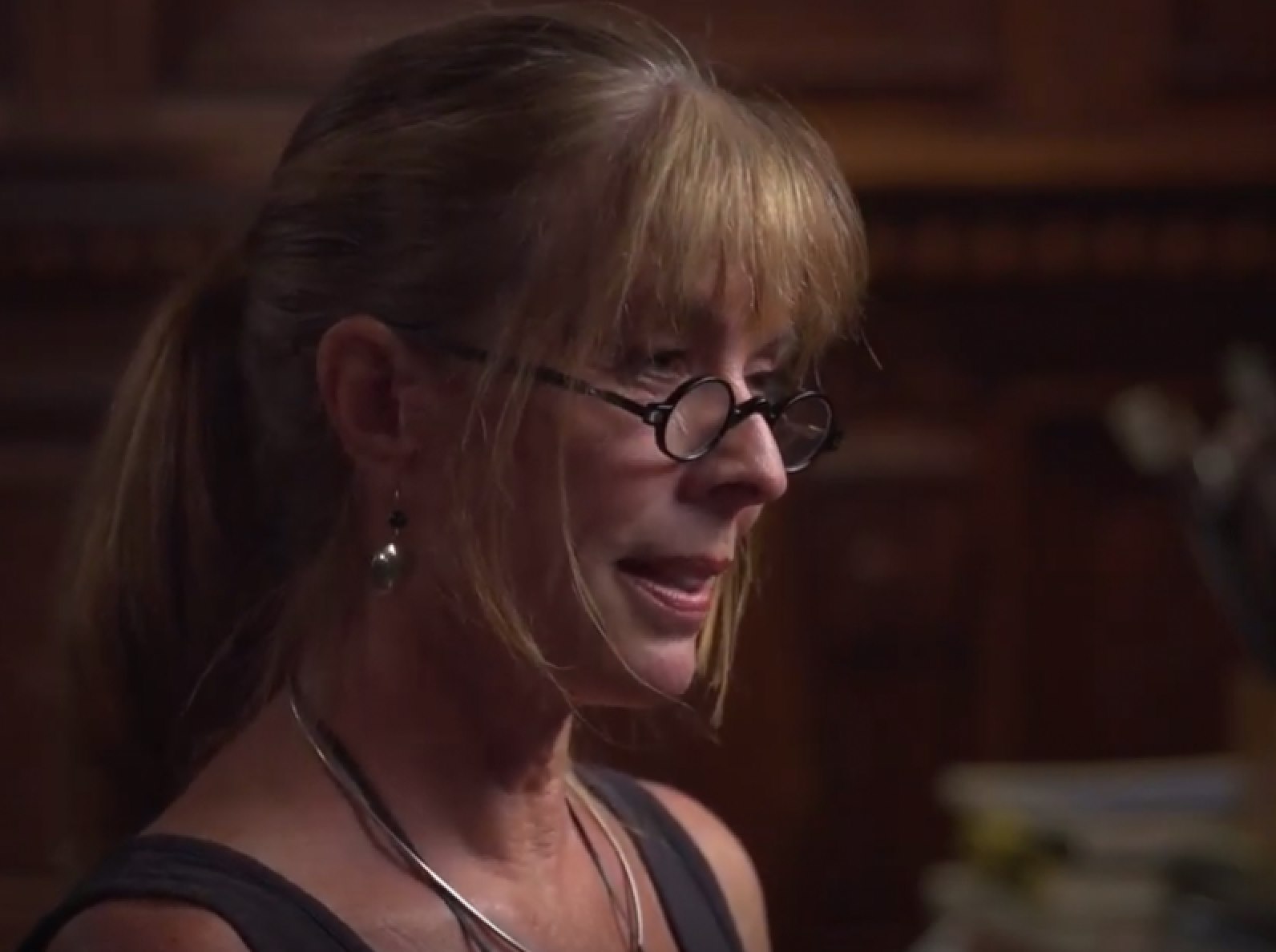
Lyn has been described by fellow artists as a real joy, a kind soul, and having a true passion for painting as well as being a talented musician.
Carrying on the great traditions of representational oil painting and passing that torch to her students were two of Lyn’s great passions in life.
Lyn was an award-winning plein air and studio oil painter with works that hang in private collections across the United States. After returning from studying art at the Royal Melbourne Institute in Australia, Lyn began a 25-year career as an American illustrator and painter, garnering awards from the Oil Painters of America, Fine Art Connoisseur Magazine, PleinAir™ Magazine, Southwest Art, the Society of Illustrators, the Art Directors Club, the Illustrators Workshops, and the American Institute of Graphic Arts among others.
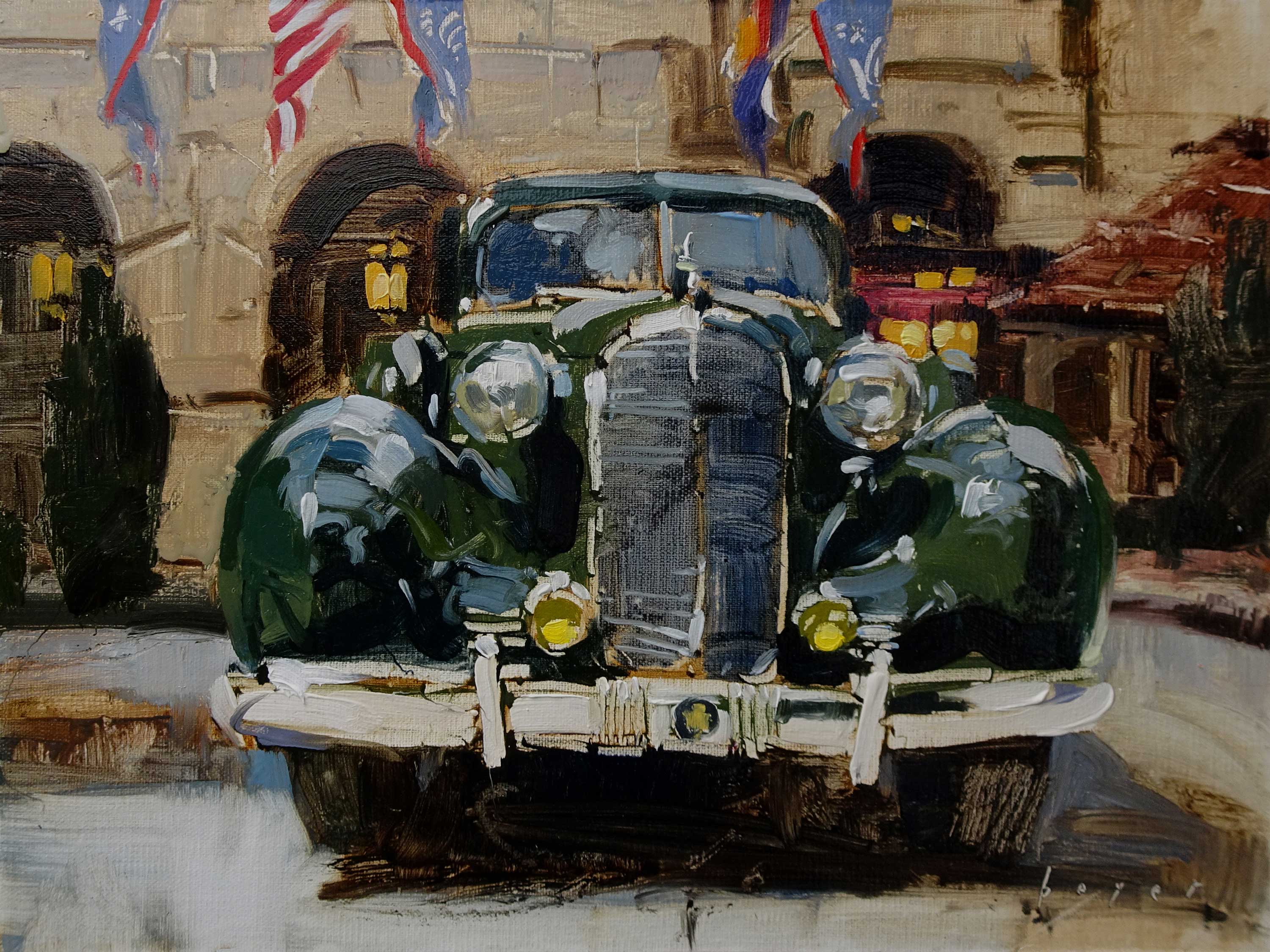
Lyn’s early inspiration came from the great illustrators of the Golden Age of Illustration and their contemporaries, the American and European painters of the late 1800s and early 20th century. She was captivated by not only the power of the images but their story-telling ability. Lyn took the focus, energy, and ability to respond in the moment required in plein air painting and used it to inform and bring life to her studio work.
A devotion to painting en plein air and teaching took Lyn on the road for much of the year before returning to her studio in Durango, Colorado for the winter months. Her commitment to teaching began with nearly a decade as an illustration instructor and continued through her workshops, instructional videos, demonstrations, and private mentoring.
Lyn’s commitment to the arts expanded to bring the common languages of painting and music together as a board member for the Durango Celtic Festival, partner in the Painter-Musician collaborative, Interplay Artists™, with musician David Curley and in painting workshops using sound as a tool to unlock visual creativity.
Lyn’s bio above is adapted from her website, LynBoyer.com.
What is Expressive Tone?
Hint- it’s big part of Rembrandt’s lasting allure
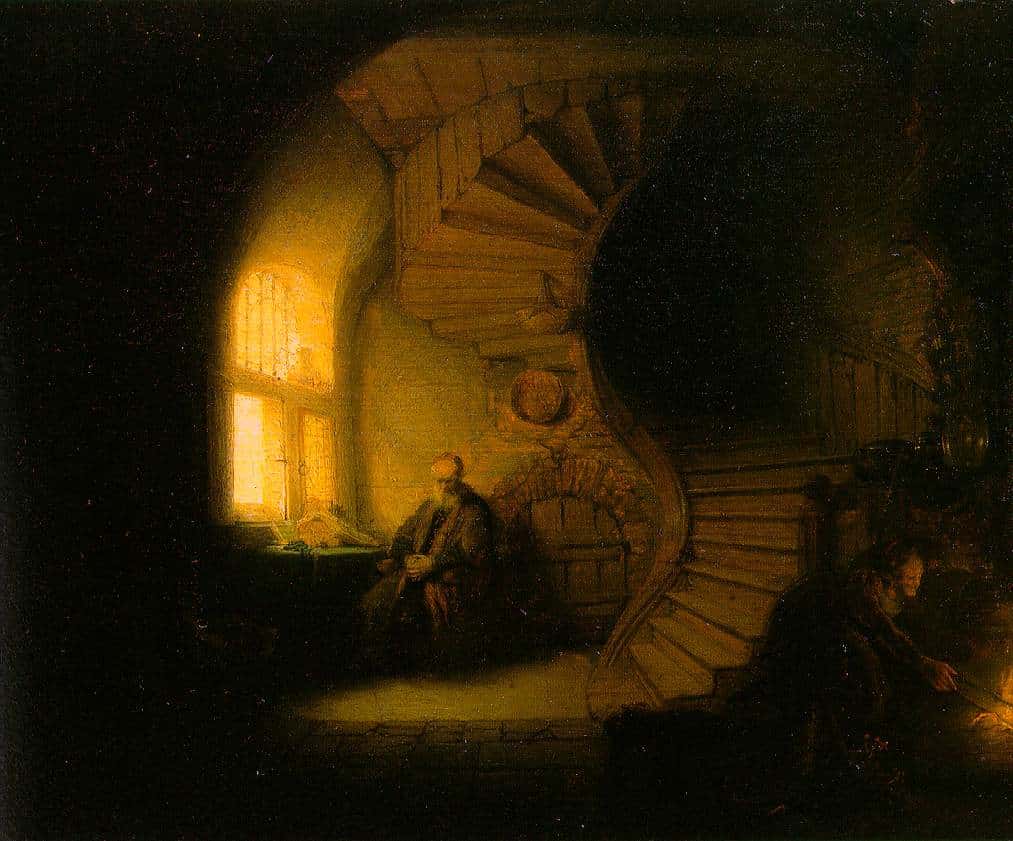
Rembrandt, The Philosopher in Mediation, oil, 11″ x 13,” 1632. Louvre, Paris.
The 17th century oil painting Philosopher in Meditation by Rembrandt van Rijn has become an icon of philosophy (it’s been used on the cover of textbooks on the subject), largely, I’d argue, because of its composition coupled with Rembrandt’s expressive use of light and shadow.
For such a small work (11 x 13 inches), it packs a ton of interest that makes it feel bigger, even expansive, by drawing us deep into its glowing recesses, only to spin us back out via the twisting spiral stairs – a compositional architecture that matches the mental “going inward” of the philosopher thinker.
Harold Speed singles out this painting in his venerable Oil Painting Techniques and Materials (originally published in 1924) for what he calls Rembrandt’s use of “expressive tone.” To read more about this technique and the profound effect it can have in painting, check out the rest of this article here.