The creative adult is the child who survived.”
— Ursula Le Guin
As children, we know magic is real, the world is marvelous, and simply living each day is an adventure.
But those of us who go about only cleverly disguised as responsible adults know better. We are the music makers and we are the dreamers of dreams. Quiet always-do-what-you’re-told-people consider us the crazy ones. So sure, we’re the mad ones, those Jack Kerouac celebrated in his 1957 book of modern self-reliance, On the Road: “the ones who are mad to live, mad to talk, mad to be saved” who “burn, burn, burn like fabulous yellow Roman candles exploding like spiders across the universe.” That’s the kind of good crazy that everyday life tends to beat out of us, kill, and bury.
Art brings back some of that magic. Making art silences the “do-what-you’re-told” brain with creativity and self-expression. And of course children do it beautifully. They don’t worry about whether they’re “talented.” They just love to make stuff.
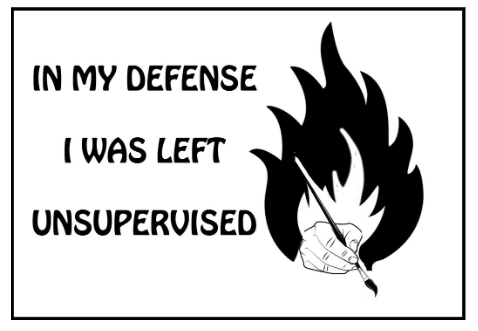
The fearlessly creative child we all have been is waiting patiently to be let back into the room. Most of us know that, but we feel powerless to take action. So here’s something to try.
Pick a painting by an artist you love – dead or living doesn’t matter. Study it in an all-at-once sort of way, not for the details or the “how to” factor, but exclusively in terms of what you like in it, what you respond to. In other words, don’t name or too carefully analyze what you like – actually feel what that is instead – quickly, all at once. Do your best hot take. Now put the image away.
Start a painting from scratch, without any reference image. Try to enjoy just making something for the sake of it, drawing from what you remember. Go ahead and borrow hallmarks of style, technique, subject matter, whatever you liked in the work you looked at prior. You’re not to paint the original from memory – that would miss the point. Instead, try making something different. Just make up on the spot. Chances are you won’t have a painting you can sell (boo hoo) but you’ll have something that has a bit of YOU in it, inspired by art that you’ve loved.
Keep working on it. Go back to the work that inspired it and compare for style and content. Even if you hate what you’ve done, don’t throw it away. Put it where you won’t see it for years (no, that doesn’t mean the dump), so that when you do see it again you’ll be able to look past its flaws and see the nascent authenticity – that part in there that’s really YOU – and consider how to keep developing that muscle by looking at, thinking about, allowing yourself to be influenced by (but not copying!) all kinds of paintings that you just fall in love with.
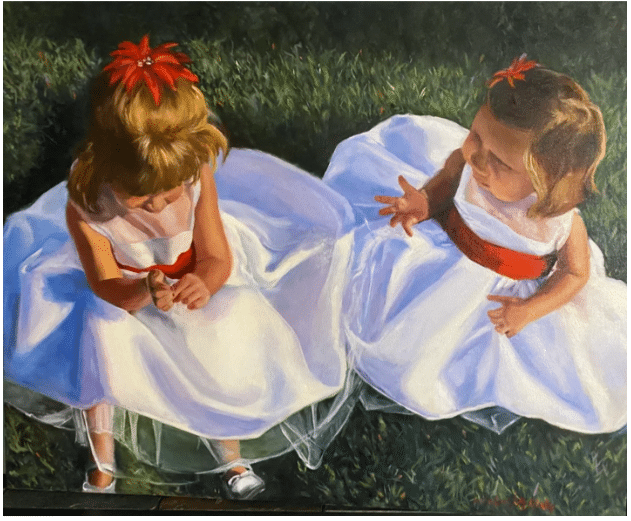
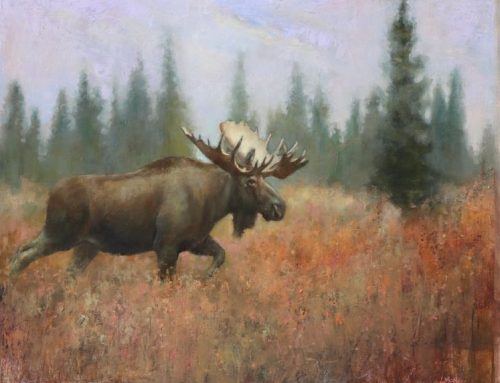
Maureen Killaby, oil
Why? Because recent theories suggest that creativity is about putting things together in new ways, and out of that, creating something wholly new. “The thing about creativity is that it’s not about making something out of nothing,” writes Mira Yossifova, an innovation policy expert and “futures thinker.” “Everything we need to be creative is here, and it’s already in the world. We need to connect the dots and see the invisible links. That’s what creativity is all about: to use the already existing as a steppingstone to new ideas.”
“Creativity is that marvelous capacity to grasp mutually distinct realities and draw a spark from their juxtaposition.”
— Max Ernst
Creativity doesn’t happen in a vacuum, and it favors those crazy enough to already be doing the work. You have to be already moving the pencil, starting the painting, sketching the watercolor – even if at first you think you have nothing to say.
“Don’t wait for inspiration. It comes while working.”
— Henri Matisse
You can’t force creativity, but you can add all kinds of fuel to your imagination and light lots of matches.
The world needs creativity and beauty, and not only that – it needs YOUR creativity, your unique blend of experience, imagination, personality, and ability.
So, get working.
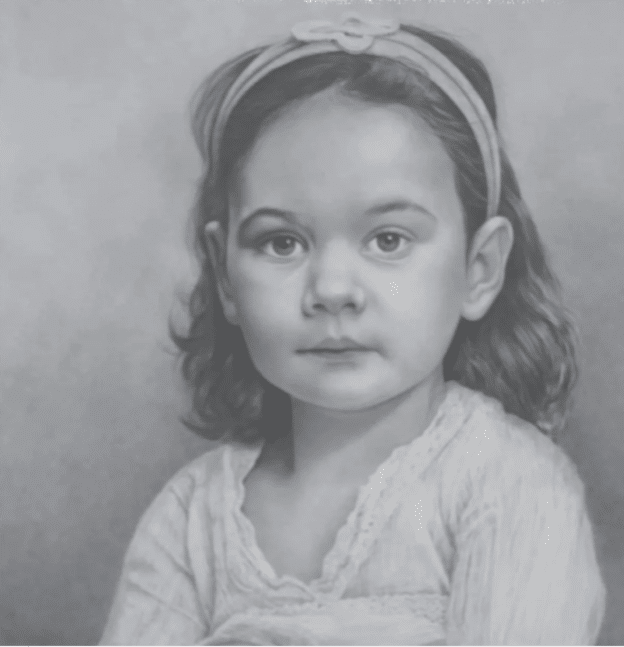
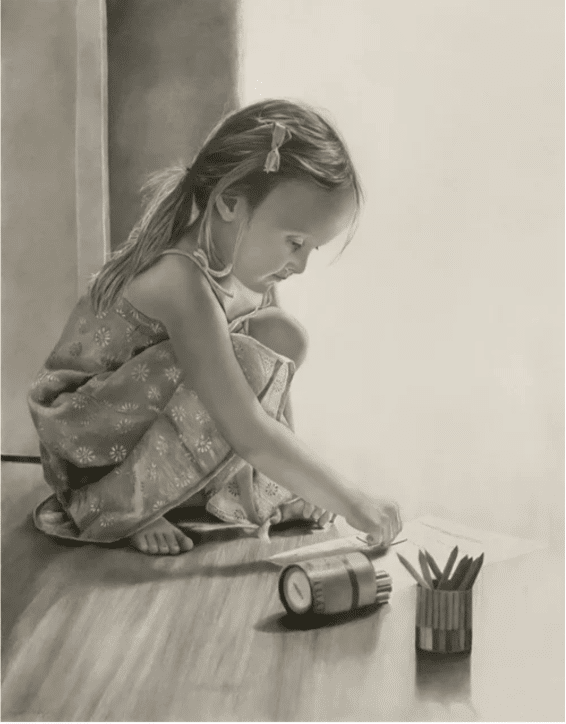
Maureen Killaby, graphite portrait
If you’d like to try realistic portraits of children, consider the “Portrait Drawing Workshop – Children” video by Maureen Killaby, available here.
Maureen has several videos that show you how to tackle range of portrait and skin types, which you can browse here.
How to Fix a Failed Painting

Jill Stefani Wagner is a contemporary impressionist painter working both en plein air and in her studio in both oil and pastel.
Jill recently demonstrated how to save a painting that didn’t work out originally but still has potential. Watch in this Art School Live demonstration and interview with Eric Rhoads as she shows us:
- A great tip for keeping the intention of your painting front and center in your mind
- How to draw the viewer into your painting with your focal point
- And much more

Also, Jill reveals her brilliant pastel techniques to help you advance your skills in the PaintTube.tv art video workshop “5 Step Pastel Painting” [learn more].