Inspiration comes in many forms, and creativity is its currency. But where does creativity come from – and what even is it?
It’s thought that childhood play and adult creativity originate in similar processes in the brain. But even today there’s little consensus about just how or why humans evolved creativity. The concept itself is only as old as the 1600s, and even then, the idea of human creativity met with resistance; at the time, the term “creation” was reserved for creation “from nothing,” something presumably only God could do.
Certainly, the capacity of imagination enables us to learn and to grow, to envision and invent things that might be, and to picture – and make real – things that aren’t yet but could be. Creative expression gives a voice. It can help capture ideas, thoughts, and visions about the world as it is, and as it might be.
“Creativity is the language we use to communicate the urgency of our dreams for a better future.”
— Audre Lorde
Artists see, create, and enable others to see beauty and potential where ordinarily we do not. For many artists, art is an exhilarating way to shake off the numbing stupor of daily routines and wake up to a wider – and wilder! – world than the predictable one we’ve learned to accept.
Viewing an exciting painting can be like seeing the world through a freshly washed pane of glass. It reminds us how vivid the world around us can be if we’re willing to show up for it and to really see it, with newly opened eyes, like a child.
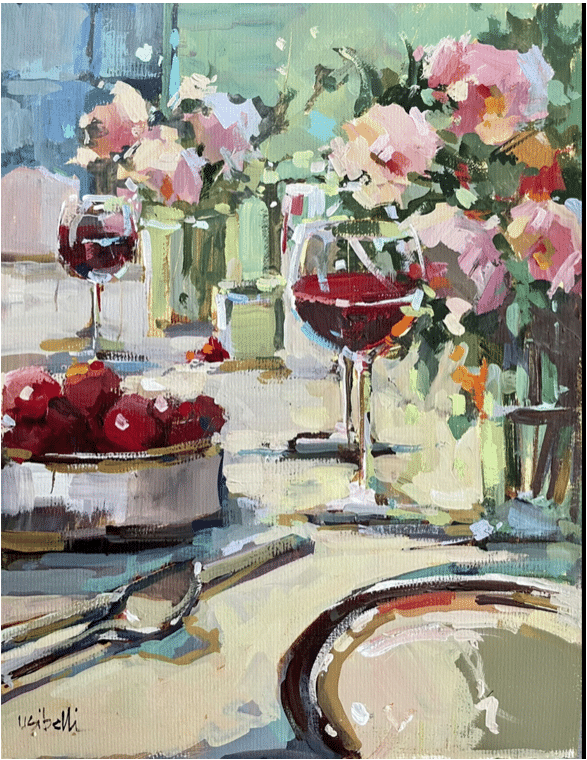
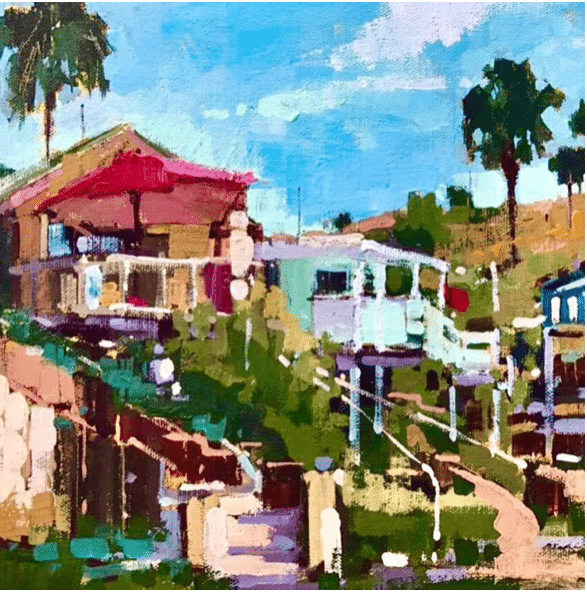
Michelle Usibelli, gouache on paper
“The creative adult is the child who survived.”
— Ursula Le Guin
As children, of course, we know magic is real, the world is marvelous, and simply living each day is an adventure. Art brings back some of that magic. Children don’t worry about whether they’re “talented.” They just love to make stuff. The fearlessly creative child we all have been is waiting patiently to be let back into the room.
Recent theories suggest that creativity is about putting things together in new ways, and out of that, creating something wholly new. “The thing about creativity is that it’s not about making something out of nothing,” writes Mira Yossifova, an innovation policy expert and “futures thinker.” “Everything we need to be creative is here, and it’s already in the world. We need to connect the dots and see the invisible links. That’s what creativity is all about: to use the already existing as a steppingstone to new ideas.”
“Creativity is that marvelous capacity to grasp mutually distinct realities and draw a spark from their juxtaposition.”
— Max Ernst
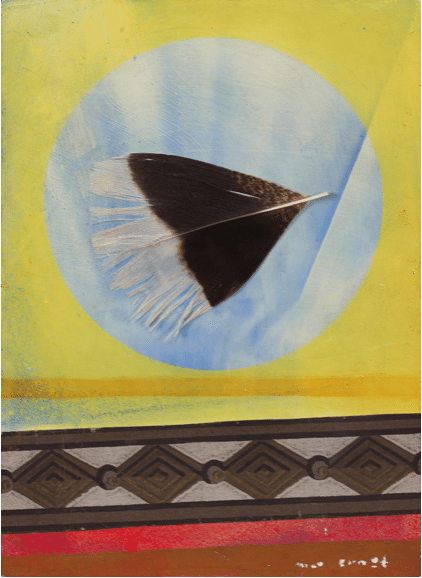
Max Ernst, Untitled, oil and collage of a feather and decorative paper on wood panel. 8.75 x 6.30 inches
Creativity doesn’t happen in a vacuum; it favors those already doing the work. You have to already be moving the pencil, starting the painting, sketching the watercolor, mapping out the gouache – even if at first you think you have nothing to say.
“Don’t wait for inspiration. It comes while working.”
— Henri Matisse
You can’t force creativity, but you can be ready when inspiration comes. “It comes while working,” says Matisse. The world needs creativity and beauty, and not only that – it needs YOUR creativity, your unique blend of experience, imagination, personality, and ability.
So, get working.
As a medium, gouache combines the versatility and spontaneity of watercolors with the body and opacity we associate more with acrylics or oils. Michele Usibelli’s gouache paintings apply loose brushstrokes, bold colors, and a strong sense of light and shadow to many different painting genres, including still life, landscape, cityscapes, and figurative work.
Michele has a video that will guide you from start to finish on how to complete a gouache painting with amazing results; she teaches a “FocalFirst” painting approach that ensure you begin with a strong and solid plan. Download Michelle’s video here.
How to Fix a Failed Painting
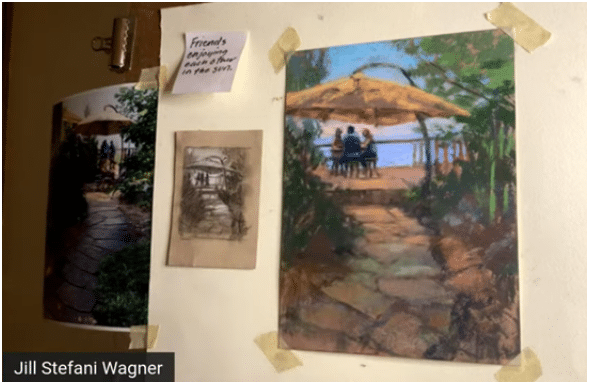
Jill Stefani Wagner is a contemporary impressionist painter working both en plein air and in her studio in both oil and pastel.
Jill recently demonstrated how to save a painting that didn’t work out originally but still has potential. Watch in this Art School Live demonstration and interview with Eric Rhoads as she shows us:
- A great tip for keeping the intention of your painting front and center in your mind
- How to draw the viewer into your painting with your focal point
- And much more
Also, Jill reveals her brilliant pastel techniques to help you advance your skills in the PaintTube.tv art video workshop “5 Step Pastel Painting” [learn more].