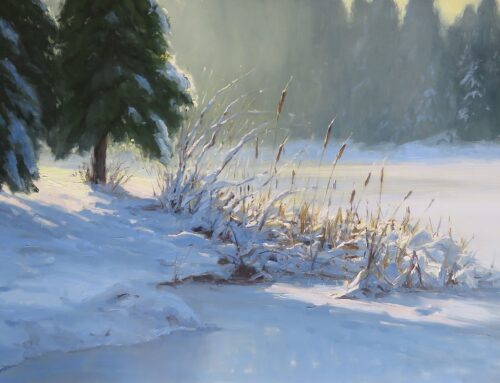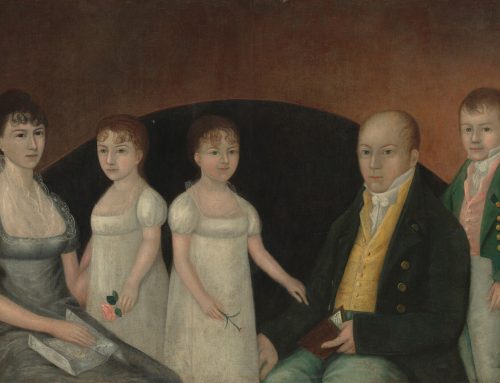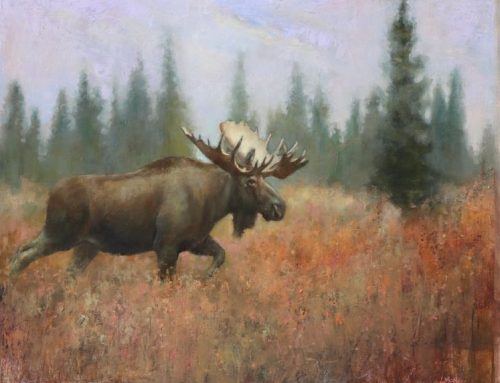
Gouache, or opaque watercolor, is a water-medium paint, like watercolor, that dries opaque, like acrylic or oil. It uses similar natural and inert pigment material, but its binder isn’t a natural oil like linseed, safflower, or walnut, but rather, traditionally, a thin resin called gum Arabic, though most use a synthetic chemical binder today.
Modern gouache dates to at least the 16th century, when artists applied oil paint over tempera to achieve a matte finish. It was also used in the 18th century for adding details to pastel paintings.
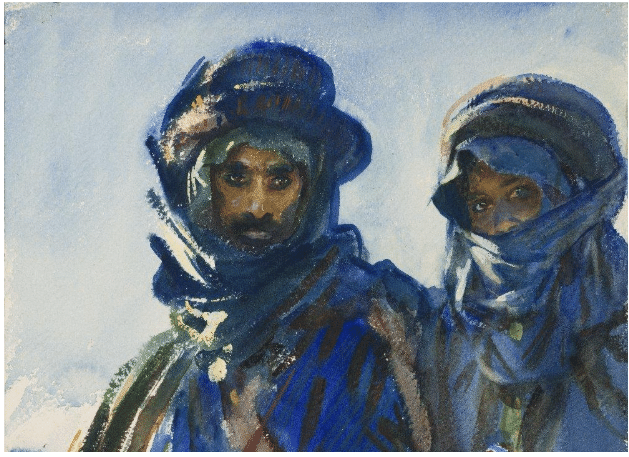
JS Sargent, detail of Bedouins, 1905, watercolor and gouache
Some oil painters, following Monet, Turner, and John Singer Sargent, paint studies in gouache, because a small pad of paper and a tray of water-based paints are far more portable than a whole plein air set-up. There are, however, numerous contemporary artists who make it their primary medium.
One such artist is Michelle Usibelli, who will be a special guest at Gouache Live<< https://www.gouachelive.com a virtual art conference taking place August 23, 2025.
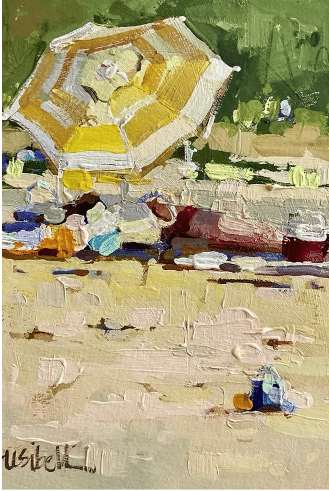
With a foundation in architecture and extensive training in the Russian Impressionist tradition, Michelle Usibelli’s style blends bold brushwork with rich color to bring scenes to life. her work spans landscapes, cityscapes, still life, and figurative pieces—each carrying its own story and emotion.
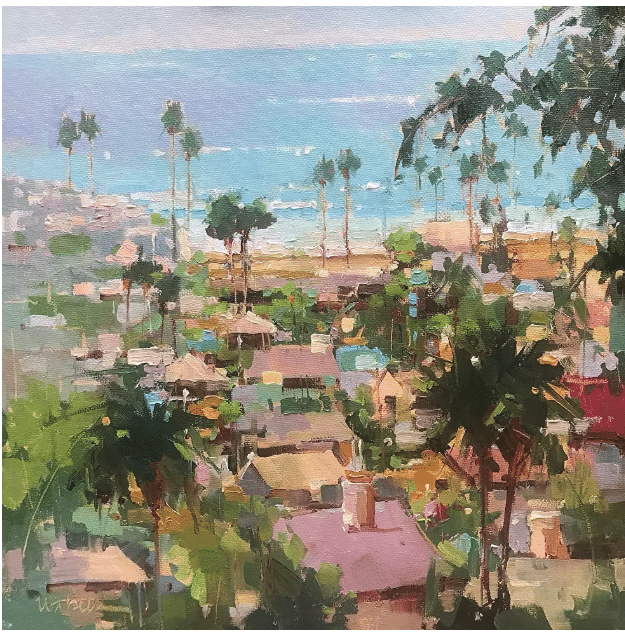
Michelle Usibelli, Mellow Morning, gouache.
“While I am drawn to many painting genres; still life, landscape, cityscapes and figurative-its my individual style and paint application, that creates and maintains a constant theme throughout my body of work,” she says. My work is created primarily in oils, but I also enjoy working in acrylics, gouache and watercolor in my representational style. I strive for consistency of style that is uniquely my own. Collectors continuously say they “can spot my work from across the room”. Establishing my own, unique, artistic voice is my primary goal. I will never paint the same image twice. Every piece that I create is truly an original, completed to my highest standards.”
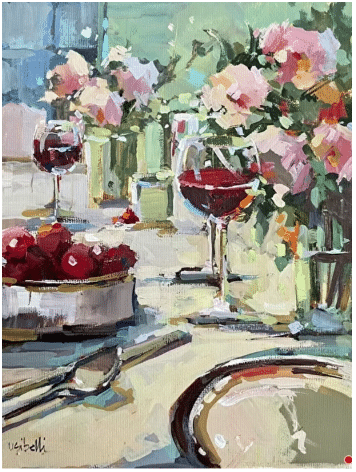
Michelle Usibelli, “A Well-Set Table,” gouache.
Granddaughter of both Italian and French immigrants, she felt born o create. “After earning my degree in Architecture from the University of Washington, I combined my professional life with my love of travel,” she says. “My extensive travels and life experiences provide the solid platform from which my artwork is created.”
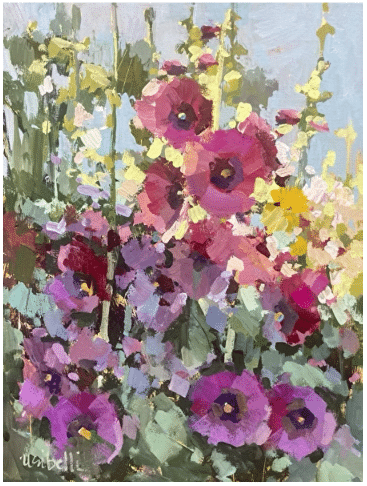
Michelle Usibelli, “Hollyhocks,” gouache.
Make Your Own Gouache!
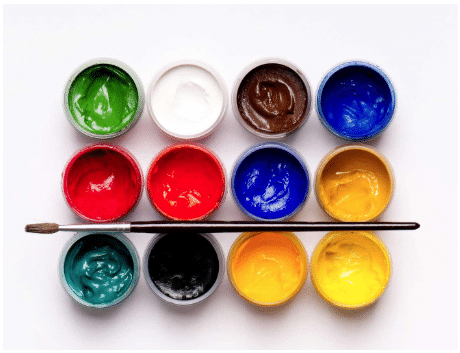
Learning how to make gouache at home by mixing pigments with gum arabic and water allows artists to customize their paints for optimal opacity, texture, and color vibrancy, offering greater creative control over their work. See how it’s done and how you can do it too, right here!
DIY gouache – acquiring pure, powdered pigments and making your own paint – is not nearly as difficult as you might imagine. Traditional pigment manufacturer Natural Pigments has a comprehensive and free tutorial that covers all you need to know. Check it out here.
“While I am drawn to many painting genres; still life, landscape, cityscapes and figurative-its my individual style and paint application, that creates and maintains a constant theme throughout my body of work,” she says. My work is created primarily in oils, but I also enjoy working in acrylics, gouache and watercolor in my representational style. I strive for consistency of style that is uniquely my own. Collectors continuously say they “can spot my work from across the room”. Establishing my own, unique, artistic voice is my primary goal. I will never paint the same image twice. Every piece that I create is truly an original, completed to my highest standards.”