
I sit and look out upon all the sorrows of the world, and upon all oppression and shame,
I hear secret convulsive sobs from young men at anguish with themselves, remorseful after deeds done,
I see the mother missed by her children, dying, elected, gaunt, desperate,
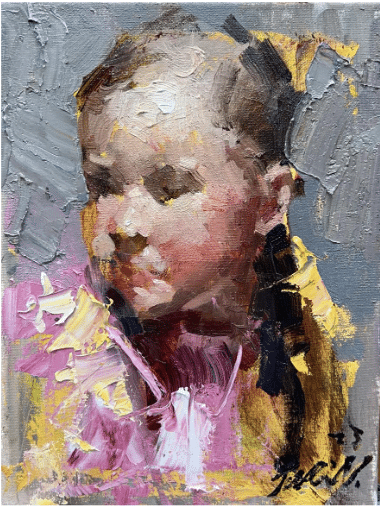
Jove Wang, Portrait of a Beautiful Little Girl, oil
I see the wife missed by her husband, I see the treacherous seducer of young women,
I mark the ranklings of jealousy and unrequited love attempted to be hid, I see these sights on the earth,
I see the working battle, pestilence, tyranny, I see martyrs and prisoners,

Winslow Homer, The Gulf Stream, 1899
I observe a famine at sea, I observe the sailors casting lots who shall be kill’d to preserve the lives of the rest,
I observe the slights and degradations cast by arrogant persons upon laborers, the poor, and upon negroes, and the like;

Wm. Sidney Mount, The Verdict of the People, 1854-55
All these — all the meanness and agony without end I sit looking out upon,
See, hear, and am silent.
-Walt Whitman
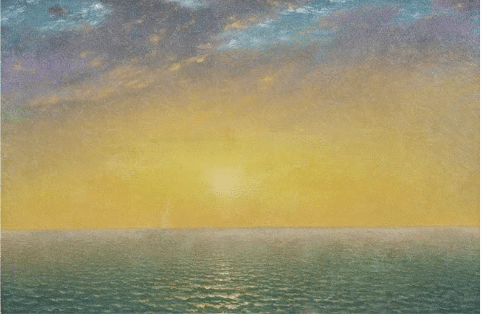
John Frederick Kensett, Sunset at Sea, ca. 1873
Sharing space with the classic American paintings in this issue are portraits by artist Jove Wang. If you’re interested in learning more about the classic approach to drawing and painting the portrait, there’s a two-video bundle of Jove’s instruction available from Streamline, which you can review here.
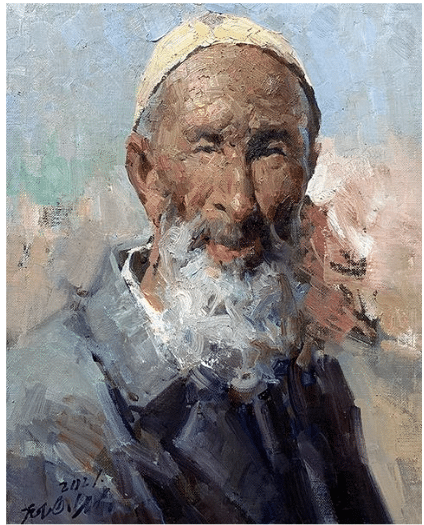
Jove Wang, The Old Man in the White Scarf, oil on linen
Silent Power: Joanna Boyce
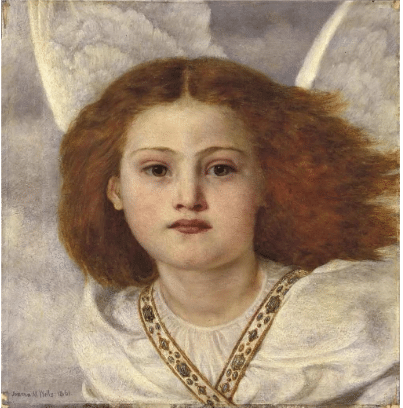
The Bird of God by Joanna Boyce, 1861, via Wikimedia
Largely overlooked by history, English artist Joanna Boyce was a talented painter whose career was cut short by an infection after childbirth at the age of 30. Strong women rank among her standout subjects: rebel queens, sibyls, visionary priestesses and, as is the case here, an intensely unsentimental (perhaps avenging?) angel.
Boyce, in painting after painting, captures the muted emotions, perfectly controlled power and elegance of strong female protagonists. Here, in “The Bird of God,” a wildly beautiful image of an angel, Boyce manages to balance a striking combination of femininity and power – this is not the face of a sentimental handmaiden of the Lord. It suggests, instead, the pitilessly neutral gaze of divine and natural law, rather like the ancient Greeks embodied in their goddess-figure Ananke, usually translated as inescapable Necessity or Fate.
Associated with (but because of her gender not allowed to join) the Pre-Raphaelite Brotherhood, she is also known by her married name as Mrs. H.T. Wells or as Joanna Mary Wells. She produced multiple works with historical themes as well as portraits and sketches, and she authored art criticism responding to her contemporaries.
We hope to revisit Joanna in a longer post in an issue of Inside Art to come.