Imposter Syndrome: the feeling that you’re a total fraud and it’s just a matter of time before you’re found out.
That dismissive voice in your head that says whoever is praising your work either doesn’t know enough about art or is saying good things because they like you, or they want you to like them, or because they have to.
Working it Out
The wrong way to counter imposter syndrome is by working ever harder and shooting ever higher for more and more success and feeling hopelessly defeated when you don’t achieve it — or empty, full of guilt, or wanting still more if you do.
Accomplishments don’t actually cure imposter syndrome — it’s too easy to see them as successful efforts to maintain the “illusion” of your worth and success – and there’s always something bigger and more “important” to shoot for anyway, or so says the nagging voice inside your head.
Well, all of it is LIES. Negative mental chatter is the stuff of old wounds, bad thought patterns, and above all fear. But there are some ways to fight it:
- Forget perfection. Perfection is the enemy of the good. What good is perfection in art anyway? That’s not what art’s about.
- Connect with others. Talk to folks about the patterns you catch yourself repeating. An outsider’s perspective can work wonders.
- Challenge your doubts. Ask yourself whether any actual facts support your imposter beliefs. Are they actually true – or can you readily find evidence to counter them?
- Meet your heroes. It’s so hard not to compare oneself to others, but doing so is the death of creative authenticity. Talk to the folks you admire – more often than not, you’ll see they’re a lot like you – with the same challenges, the same doubts, and even the same imposter feelings too.
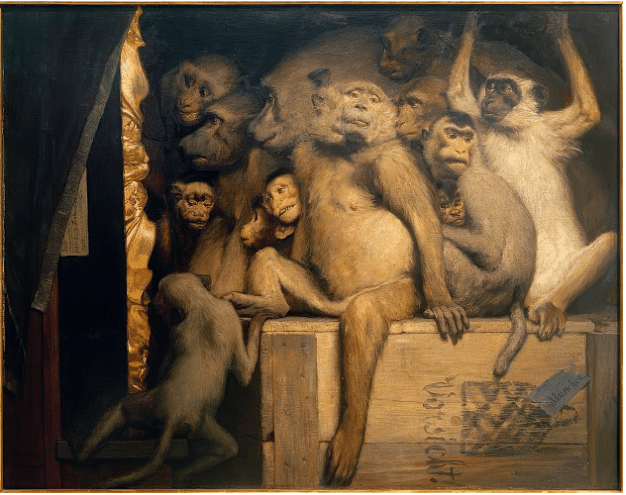
- Most of all, don’t monkey around with critics

There’s a reason more than one artist has painted caricatures of art critics as a bunch of monkeys. Criticism hurts, especially when it’s unasked for, unwarranted or inconsiderate. And after all, no one really knows what art is, why we do it, or what makes it “good” or not.
Sometimes criticism may feel like the answer to a puzzle you couldn’t solve, and sometimes it will feel like a punch in the gut – just remember that a good deal of that depends on your reaction.
Once you truly believe that the work you’re doing is good, then it is. Once you’re working toward an authentic expression of who you are and how you see the world, you are an artist. Already. Whether you’re painting your best work yet or not.
Always consider the source, and remember that SO much of this stuff is subjective anyway. Keep calm, paint on, and illegitimi non carborundum, as they say.
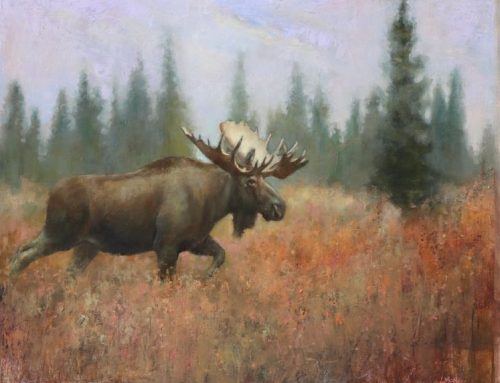
If you’re interested in painting wildlife scenes, check this out.
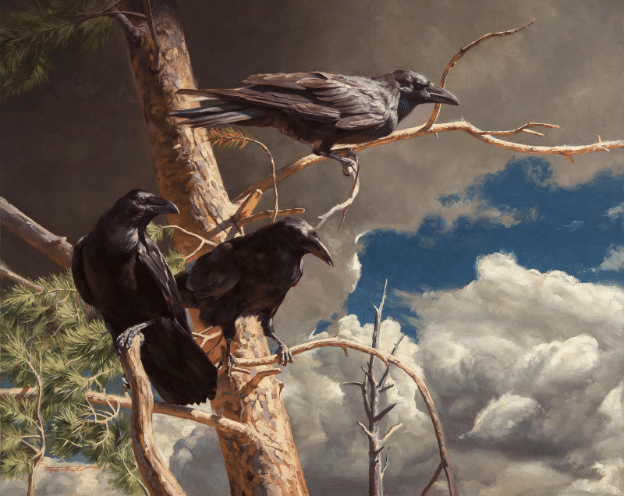
Dustin Van Wechel, “The Art of Rubbernecking,” oil, 24 x 30 in.