“The essential thing is to spring forth, to express the bolt of lightning one senses upon contact with a thing. The function of the artist is not to translate an observation but to express the shock of the object on his nature, the shock, with the original reaction.”
– Henri Matisse
I have an artist friend who signs all his emails to me with the phrase, “In the paint,” which I love.
I always picture him literally in the paint, his shirt, hands (front and back), his cheeks, nose, and earlobes, even his hair, splattered with streaks and blots of brightly colored pigment like a little kid who got into the art supplies. But I know he also means “in the paint” as in devoted to it, passionately in love with it, pursuing and working at it constantly.
And it isn’t discipline, it’s passion that drives his near daily pursuit, passion informed not only by the desire for mastery but also by what we know painting can be. Matisse’s “bolt of lightning” (see the quote above) is about chasing something most of us experience and immediately dismiss: a fleeting miracle of delight at being in the world. In so many words, the greatest painters (Rembrandt, Vermeer, Turner, Inness, Cezanne, Matisse, Picasso, Pollock, Kiefer) would all say the same thing: Don’t paint the thing – paint what made you want to paint it in the first place.
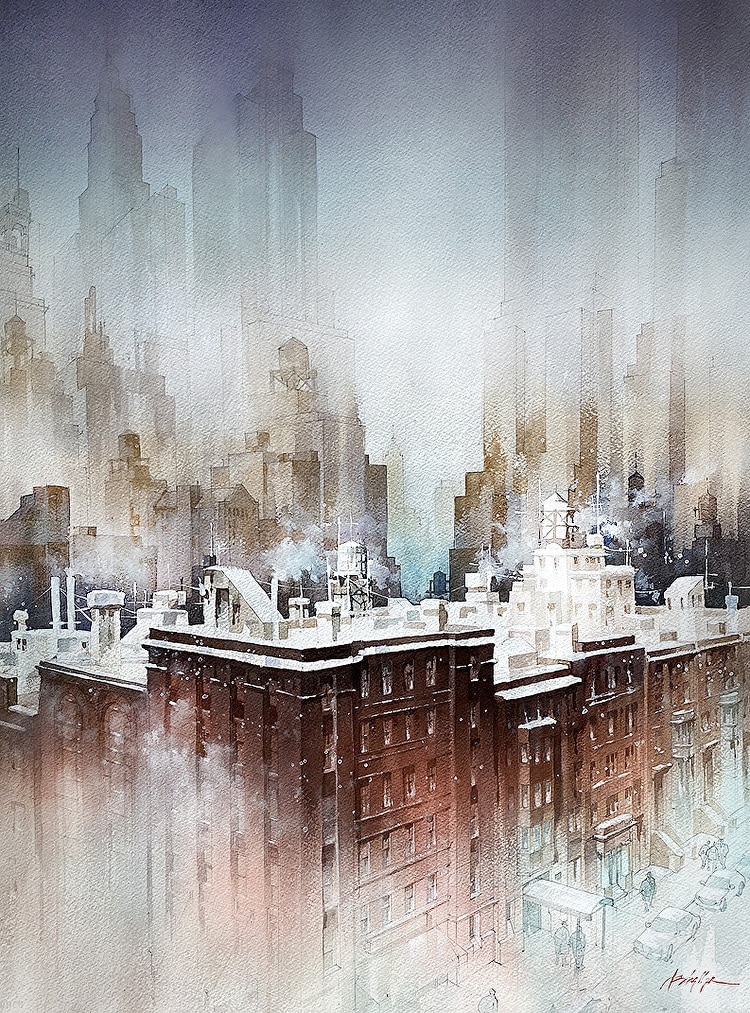
Watercolor by Thomas Schaller
The higher purpose of the pursuit of painting is to discover for oneself something of the ecstasies (and agonies) of being a living, thinking, feeling human being inhabiting infinite and finite realms of imagination, error, fantasy, and the real. That’s “being in the paint” too.
Being in the paint comes down to committing to painting as a tool for self-exploration and expression. What you paint is less important than why you are painting. The false distinction between abstract and representational dissolves when you realize painting (or any art) is only ever about what the artist puts into it. Otherwise, be it Realism, abstraction or something in between, it’s empty.
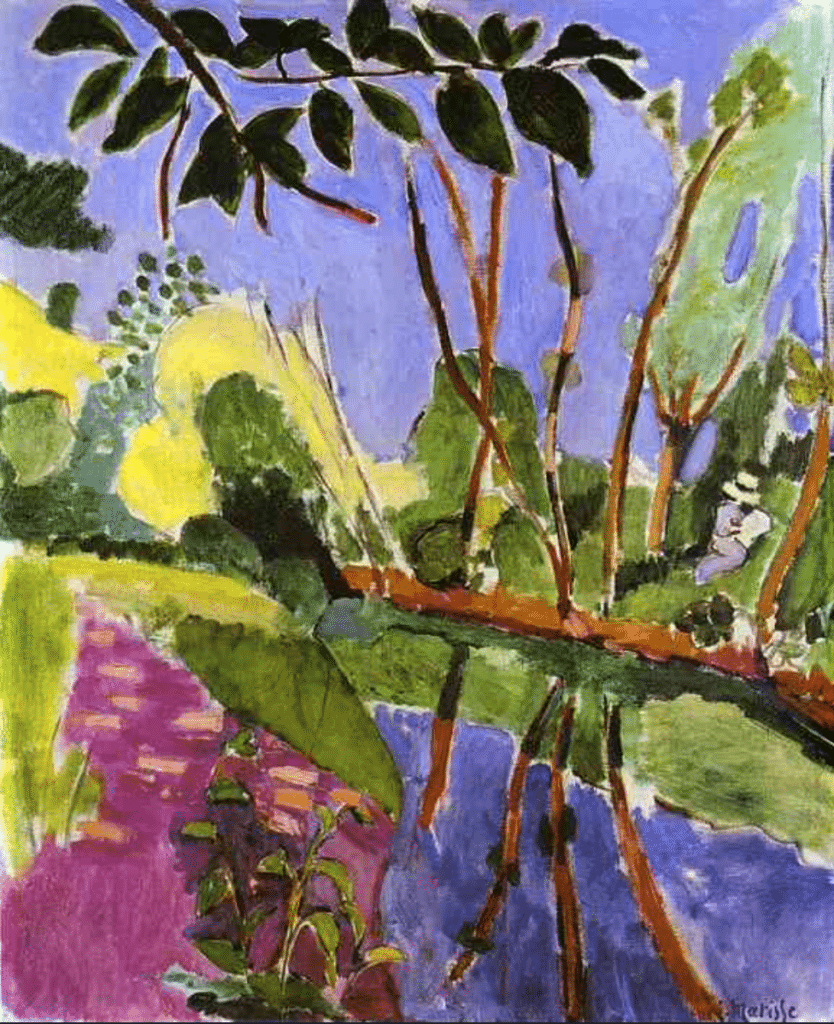
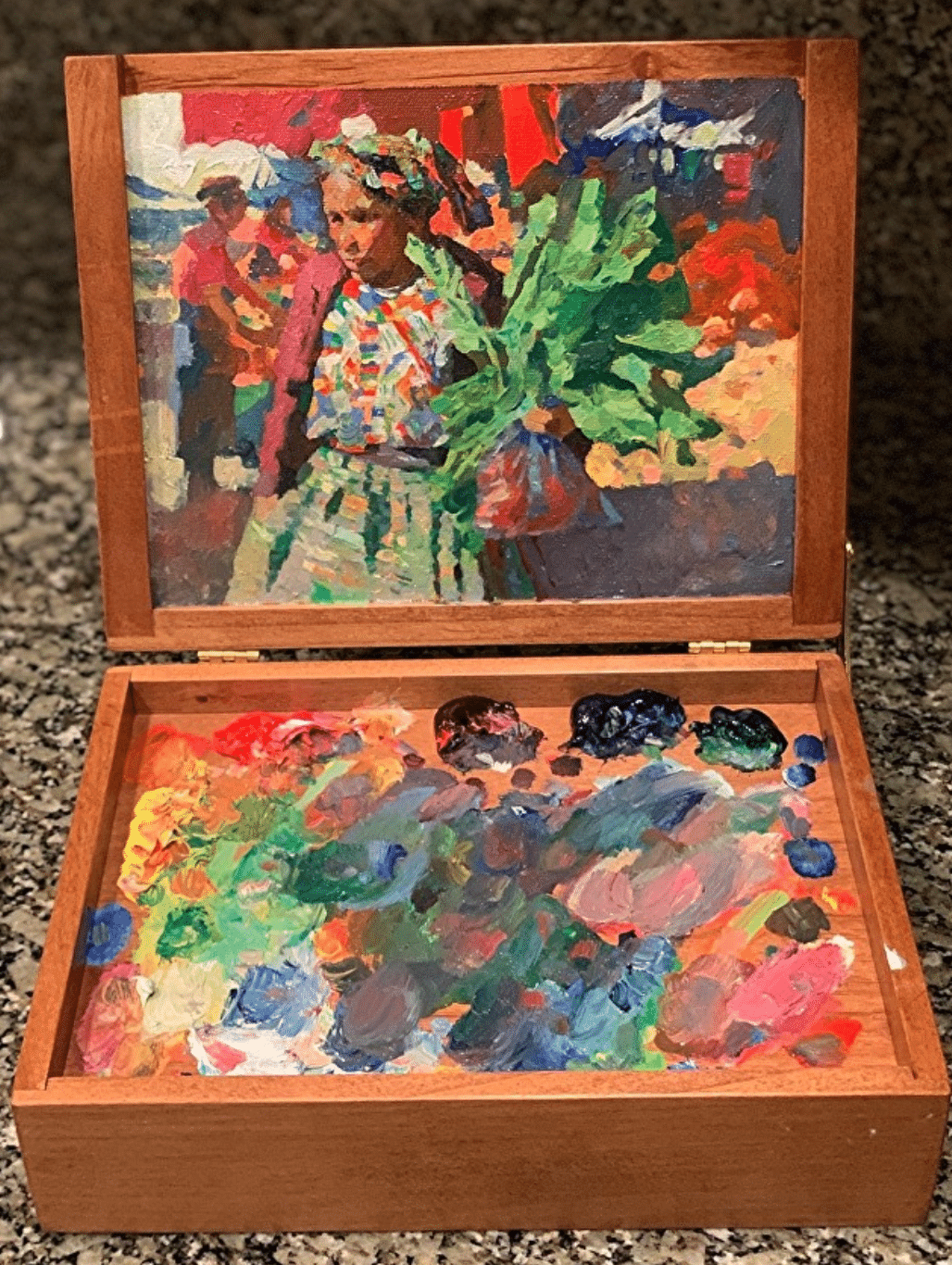
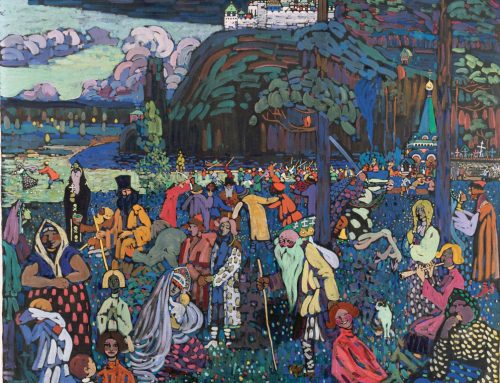
Far from empty, taken on its own terms this painting by Matisse radiates joy at being alive with a childlike directness and a kind of “primitive” simplicity, deliberate free from academic precedence (though probably only possible because Matisse knew so much about the history and techniques of painting).
Learn the techniques, yet be true to yourself, or you’ll miss out on the best part. The promise of being in the paint, as in spirituality and religion, is that a more fulfilling and meaningful life becomes within reach. Your ticket to ride is the courage to escape inhibitions and inborn fight or flight mechanisms.
Before you can really be “in the paint,” you have to stop second-guessing and pre-judging and just let the floor drop – embrace failure and success as parts of the same path. Only then does passionate commitment overtake you. You have to see all disasters as opportunities for information, to which you can have a creative response, in life as in paint.
Making art demands an embrace of uncertainty, both in the medium and, if you are making a life in art, in living itself. There are no givens, no guarantees. Yet, enlightenment is NO FEAR, because “failure” and “success” (can we even honestly define these things?) no longer apply. There is only the work.
In art and in life, playfulness, perception, thought, and creative surrender to uncertainty rule for as long as we can manage to embrace them.
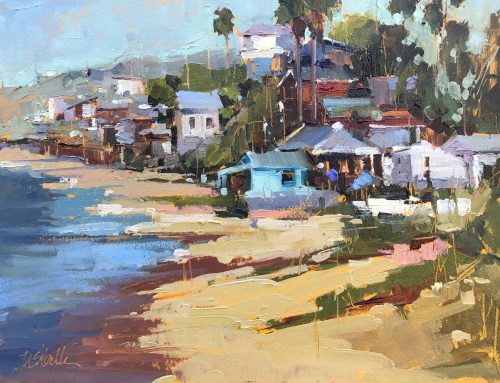
Two of the artists whose work illustrates today’s post have excellent teaching videos available for download. We couldn’t get hold of Matisse, but check out watercolorist Thomas Schaller’s video, “Capturing Light – How to Paint Cities”
here and Kevin Macphersons’s “Landscapes: The Magic Grid” over
here.
—–
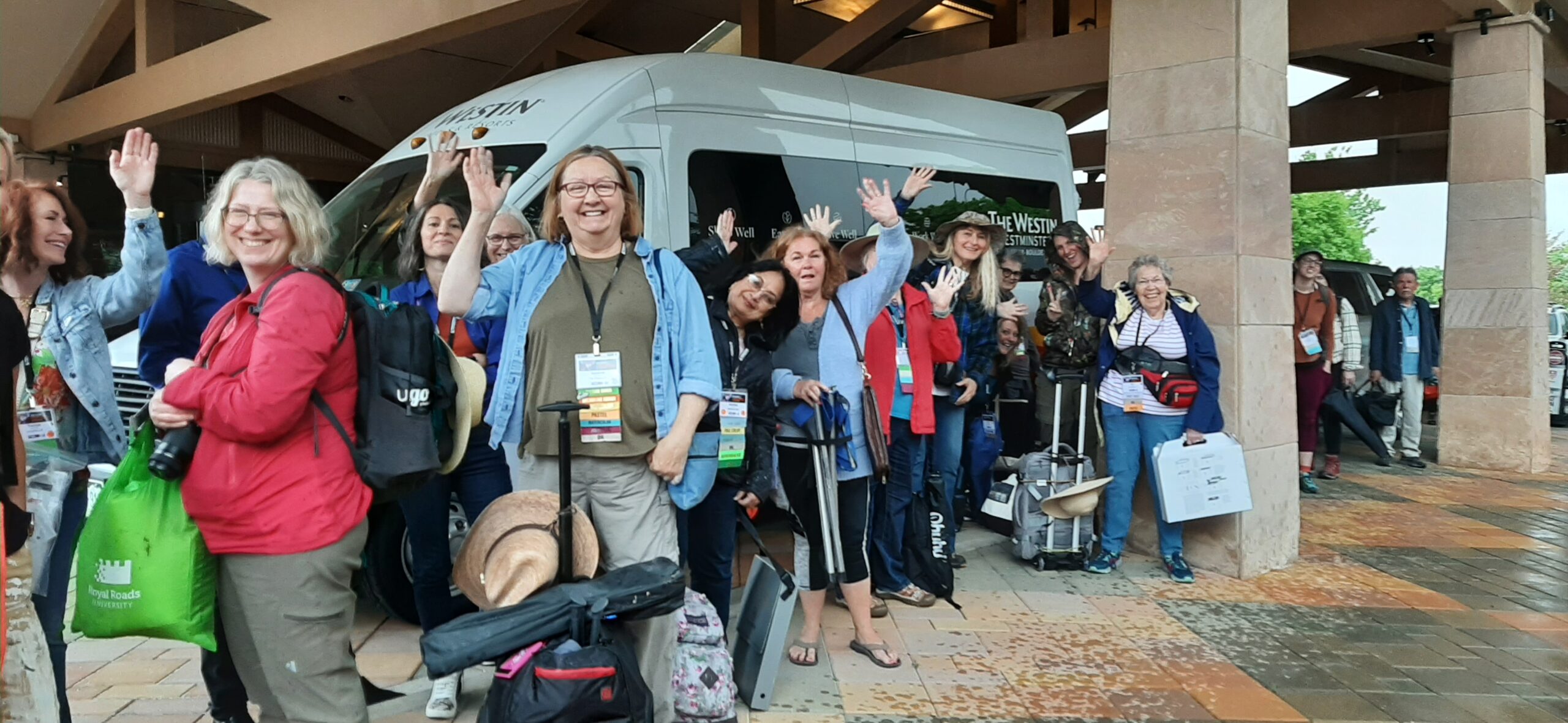
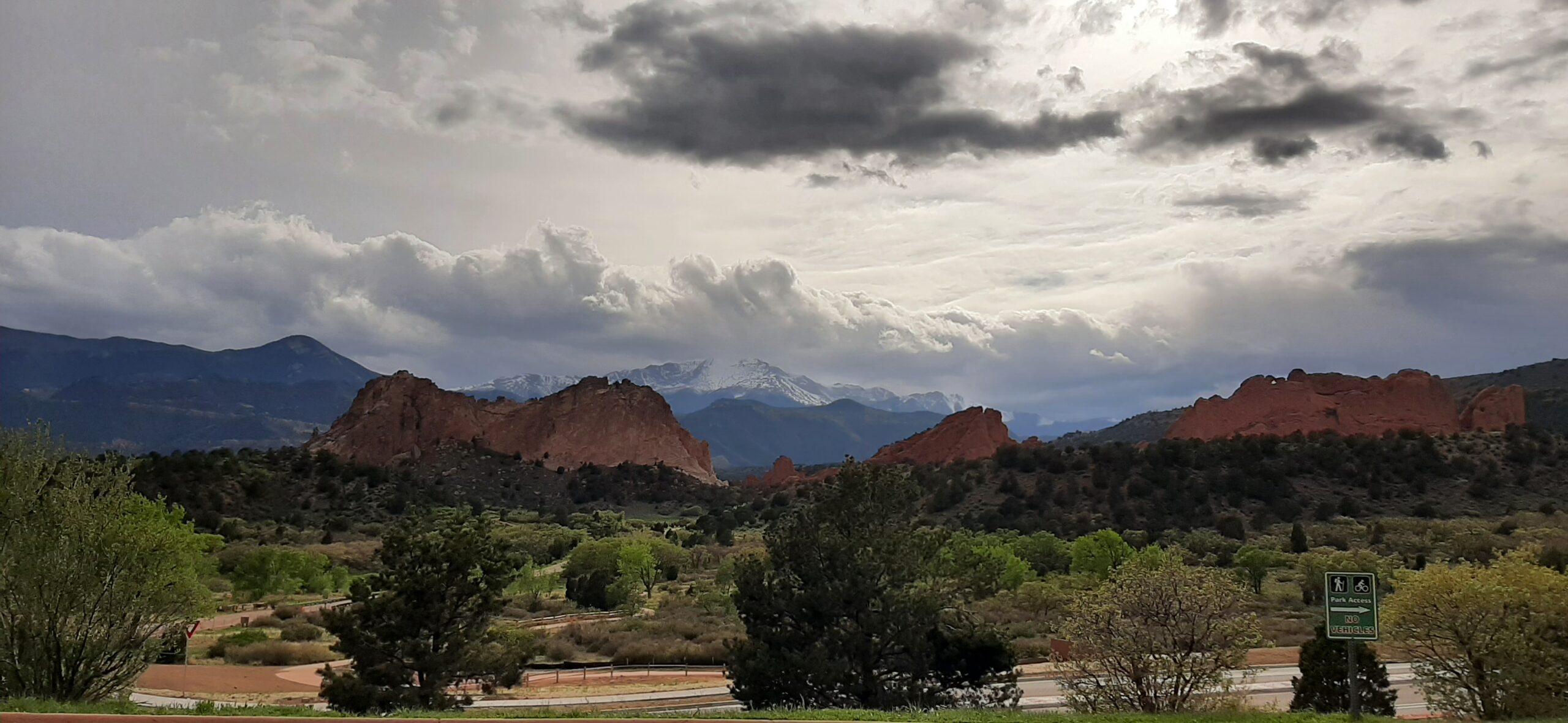
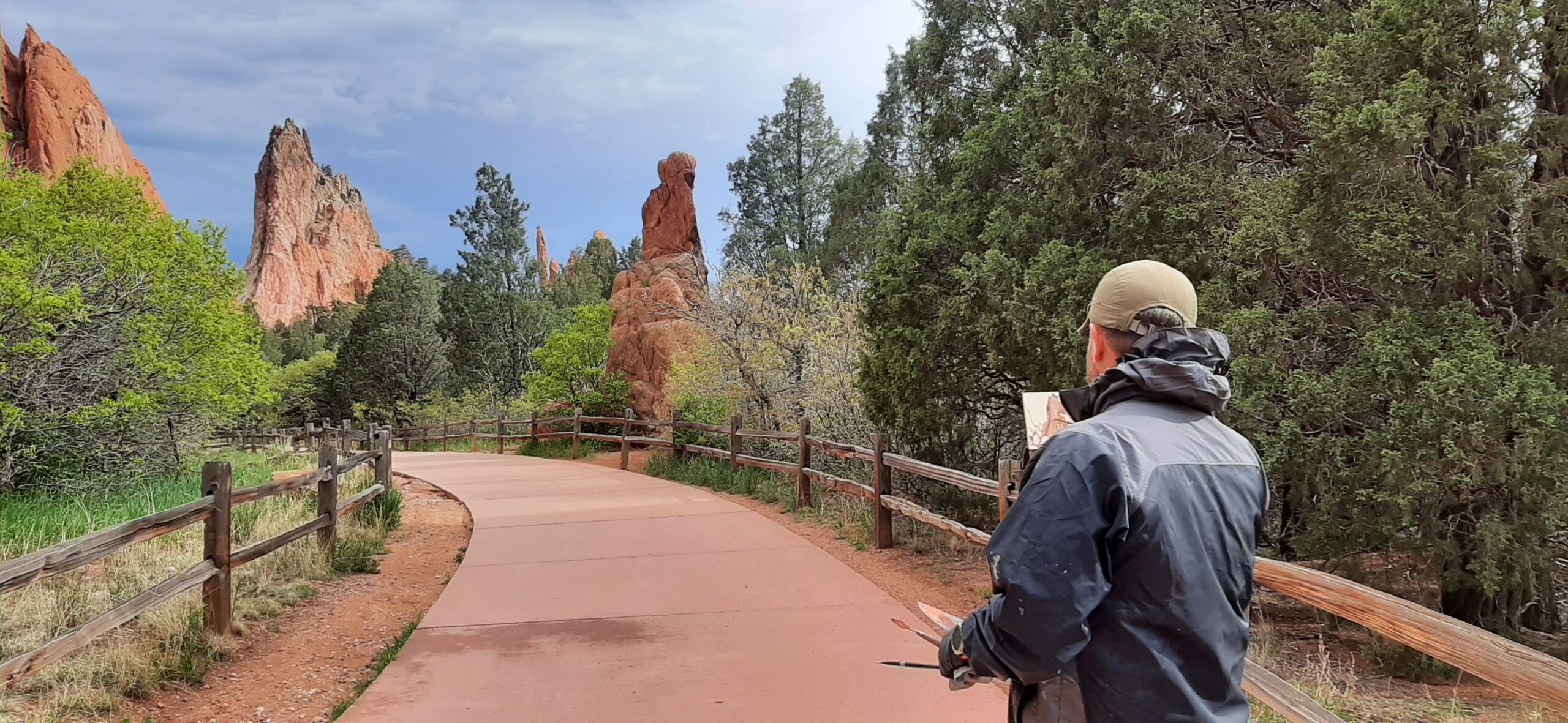
Painting in the Garden of the Gods at PACE
For the full report on this and other adventures and demos at PACE, go
here.
In the paint—