“The object isn’t to make art, it’s to be in that wonderful state which makes art inevitable.” -Robert Henri
Define art however you like, but the act of making it is a gesture of hope.
If you’re making art, you’re someone interested in reaching out to touch the spark of life. Making art assumes a commitment and the pursuit of a passion and affirming that life is worth the effort. Art’s multifaceted mysteries inspire an open-minded life, and in turn the embrace of life inspires the expression of what is found there.
“We have great periods. Periods when we freshen, move forward into hopeful philosophy. Then comes the stamp of personal whim. Technique becomes a tool, not an objective. We are interested and we have expressions we must make. All things are appreciated with an abundance of humor. There is an association with nature.” – Robert Henri

Robert Henri, Agnes in Red
“Something happens between us and the flowers in a garden, a communication of gayety, a rhythm in the grass understood – something charming in a day’s wash hung on the line – a song running through it all. Associations with nature. It’s a state to be in and a state to paint in.”
– Robert Henri
Creativity springs from a life well-lived like the petals of a rose.
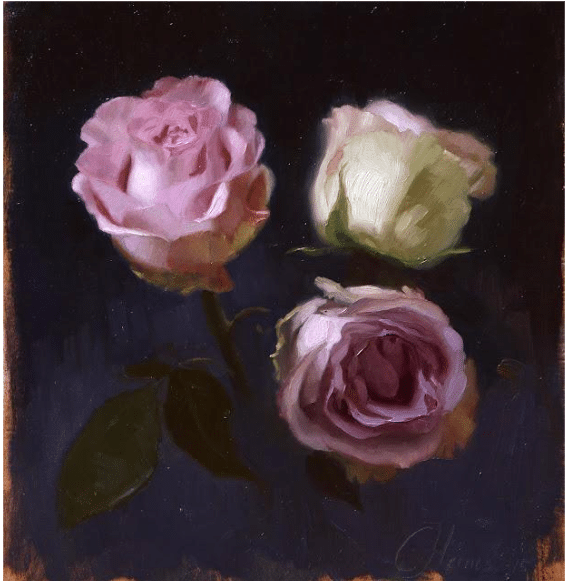
Cornelia Hernes, Three Roses, oil on panel
“When the motives of artists are profound, when they are at their work as a result of deep consideration, when they believe in the importance of what they are doing, their work creates a stir in the world.”
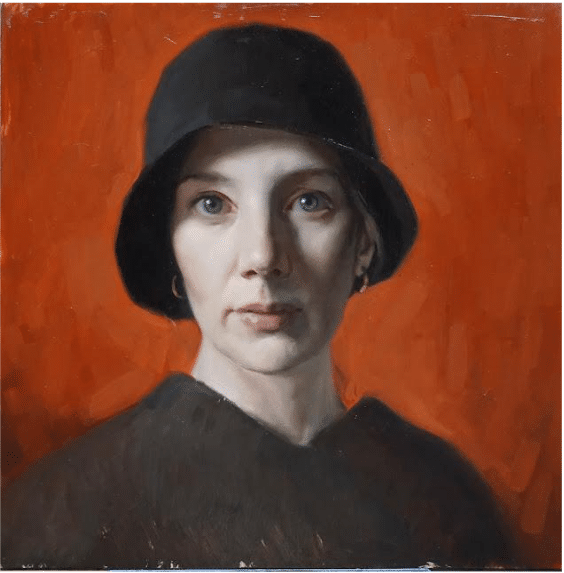
Cornelia Hernes, Self-Portrait with Red and Black, Oil on Panel. 30×30 cm
How do you get there? Live and paint with passion and, as Henri says, “Don’t worry about your originality. You couldn’t get rid of it even if you wanted to. It will stick with you and show up for better or worse in spite of all you or anyone else can do.” – Robert Henri, The Art Spirit
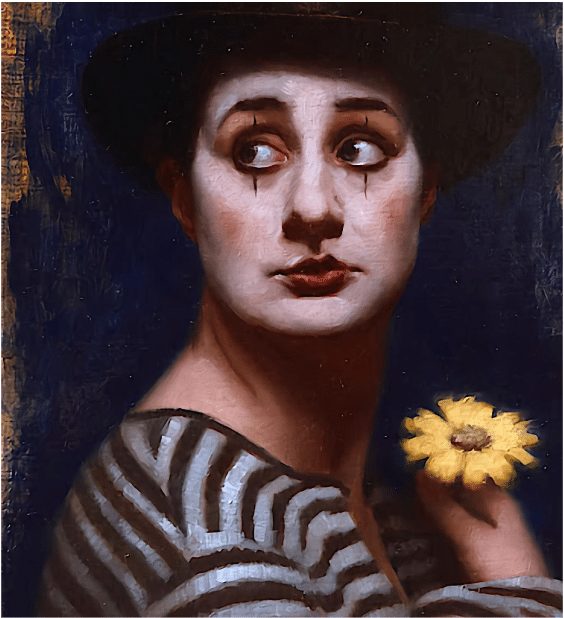
Cornelia Hernes is the artist behind the two striking portraits that bookend this article. If you’re an intermediate or advanced- level artist looking to expand and solidify your visual vocabulary and understanding of classical principles – or simply want to see an example of portrait painting done well, Cornelia’s video, Elegant Portraits, may hold the inspiration and instruction you’ve been looking for.
The Peasants: A New Hand-Painted Film Inspired by Nobel Prize-Winning Novel
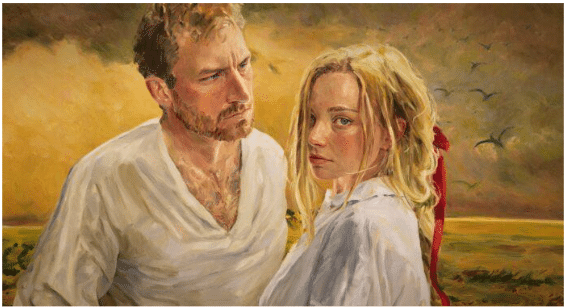
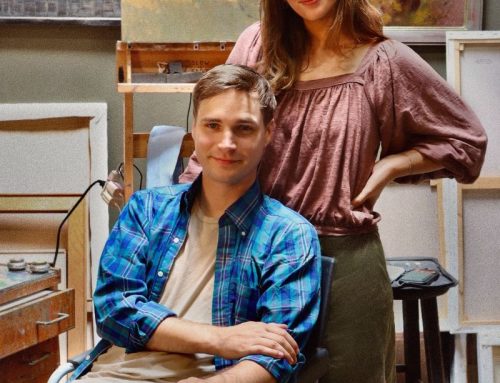
Images courtesy of BreakThru Films / The Peasant film
Earlier this month, “The Peasants,” a hand-painted film created in a similar style to the highly successful “Loving Vincent” movie, premiered at the Toronto International Film Festival.
“The Peasants” is directed by Dorota Kobiela, and based on the Nobel prize-winning novel by Wladyslaw Reymont.
The film was produced in the same painting animation technique that won the hearts of fans around the world during BreakThru Films studio’s previous production – “Loving Vincent,” which grossed $42 million at the box office. The new story is based upon the Nobel Prize-winning novel by Wladyslaw Reymont, who won in 1924 over Thomas Mann, George Bernard Shaw, and Thomas Hardy.
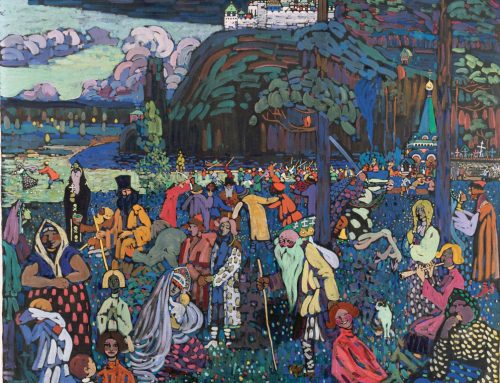
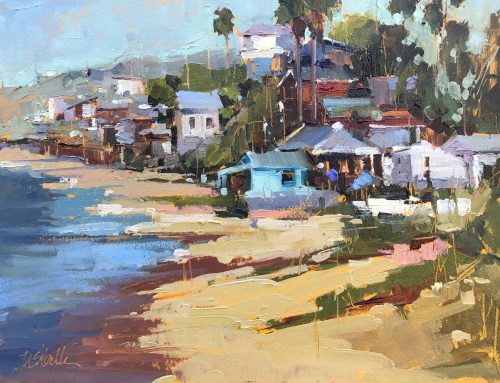
”The Peasants” comes to life by hand painting and presents a wide repertoire of realist and pre-impressionist paintings. To accomplish the work, about 70 painters working in Poland, Serbia, Ukraine, and Lithuania were hired to paint individual scenes for the film.
A Peek Behind the Scenes of “The Peasants” Movie:
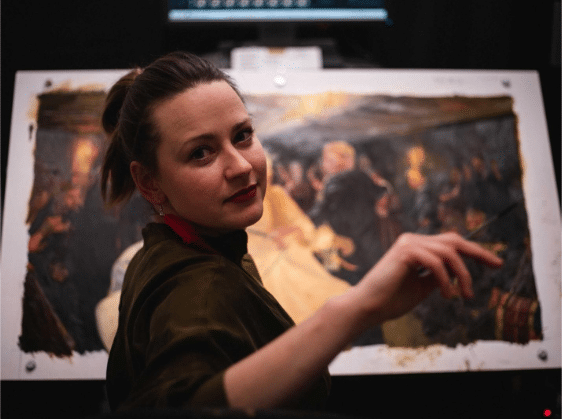

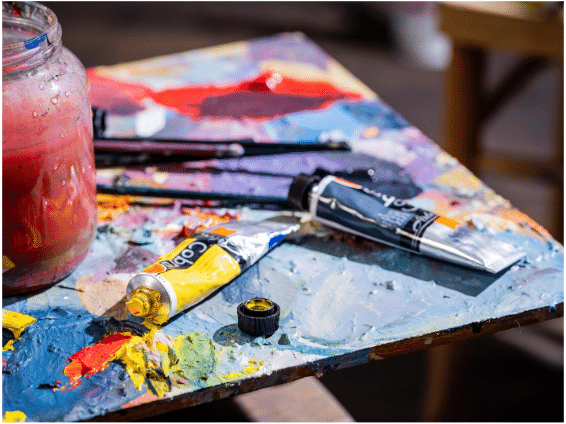
Breakthru has partnered with leading fine art paint producer Royal Talens who supplied over 1,300 liters of their Cobra line of oil paints. Cobra is an innovative oil paint that is water soluble, making it much more ecological and healthier for the painters, as the materials can be cleaned without using turpentine. On top of that, Cobra paint has a very high pigmentation, which allows for pure and highly saturated colors on the canvas.
About the Story
Naturalistic in style but epic in scope, this novel depicts peasants’ everyday reality – their work, customs, culture, and spirituality. This unique micro-world is a pretext to tell a universal and current story: a story of tragic love and life in a small community, where rules and tradition dictate everyone’s role. A peasant girl, Jagna, is forced to marry a much older, wealthy farmer, Boryna, despite her love for his son Antek. With time, Jagna becomes the object of envy and hate of the villagers and has to fight to preserve her independence.