Painting is a solitary pursuit, and you never have to show your work to anyone. Once you get good though, you might start wanting other people to see what you can do.
It’s an amazing feeling when someone genuinely likes your work, especially if they like it enough to give you money so they can own it! However, there’s longstanding wisdom that says not to worry about selling while you’re painting and it’s true. Thinking too much about what other people will think about your painting is what’s paralyzing your creativity and killing freshness in your work.
When we resonate with a piece of art, we’re doing more than just admiring a beautiful image; we’re engaging in a silent conversation with the artist, experiencing a slice of their love and passion. “That’s why art can be so moving, so transformative,” as artist and photographer Natalie B writes. “Art isn’t just an object to be observed; it’s an experience, a journey of the heart and soul. In that journey, we often derive happiness and a sense of connection that only love can provide.”
Once a painting becomes public, it enters into that dialogue with the viewer. Your work is saying something, whether you know it or not. If you’re being genuine and getting feeling into your work, people will respond to that!
It’s not that you have to paint for other people. It’s just that what you paint and how you paint it has a lot to do with how happy an artist you’ll be in the long run and how your work will be valued by others. Are you painting essentially the same barn you’ve seen 50 other artists paint using the same composition and color scheme? There’s no better way to make a “nice” painting that other people will admire, one that reflects well on your skill and professionalism; if that’s your goal, stop reading this, get out your reference photos and go paint!

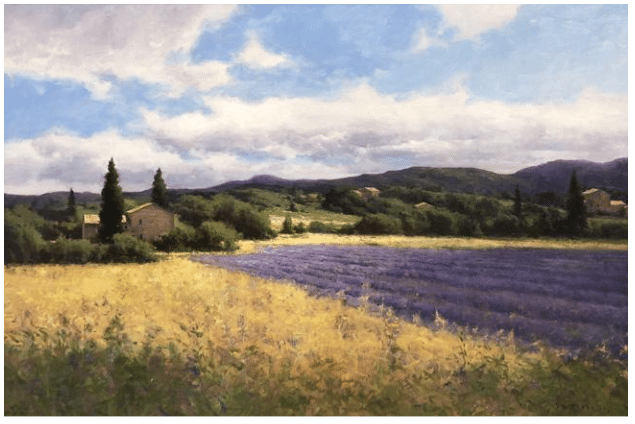
Don Demers, “Between Field and Farm,” 12 x 16 in., oil
Paint that barn! Then paint a spontaneous, unself-conscious painting of it without looking at the previous painting or the reference photo. Hate it? Then go back and paint the first barn, the one that everyone expects and admires when it’s done well – do it 10 times in a row! Then give those paintings away to friends and family and paint it again, and this time make your goal entirely different – before you start, imagine how a painting of a barn would look if it expressed something you genuinely feel about life (not just about barns or paintings of barns but about life). Then paint that painting.
OF COURSE, everyone does some degree of looking over the shoulder of the artist next to them – it’s GOOD to see and absorb what’s been done and done well. Originality for its own sake is no better than a lake of applied imagination. Just be careful not to play it too safe. Playing it safe leads to safe-looking paintings. It can also lead to too much tinkering to “get it right.” Tinkering leads very quickly to to fussing, and fussing sinks the feeling of spontaneity we’re charmed and enraptured by in so much of the best and most beloved work of the past.
The great works of art will always communicate deep feeling and universal ideas to each new viewer. If you can make a painting that does even a fraction of that, you’ll have made excellent work that really matters in the world.
“Don’t worry about your originality. You couldn’t get rid of it even if you wanted to. It will stick with you and show up for better or worse in spite of all you or anyone else can do.”
― Robert Henri
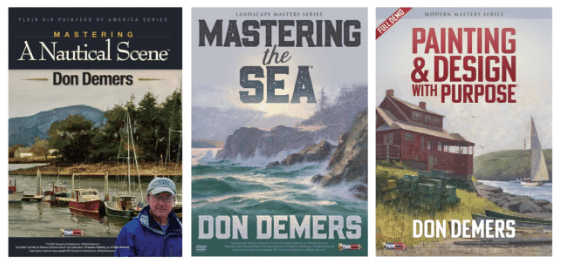
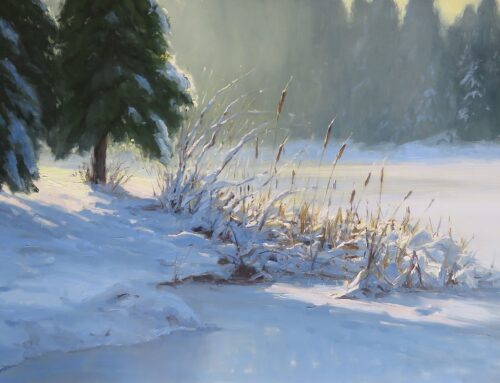
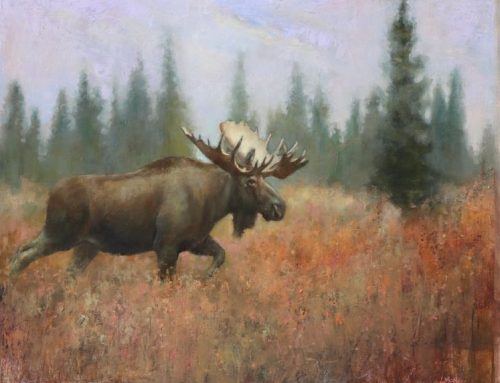
Don Demers, whose paintings illustrate this issue, is a leading landscape painter and teacher. His three videos cover elements of landscape, seascape, and design. Check it out here.
In Rainbows

Frederic Church, Niagara, 1857, Oil on canvas
Who doesn’t LOVE color?…wild or subtle, its role is woven through our lives and our paintings.
“Rainbows spark your imagination and write volumes in the sky with their colors.” — Michael Coleman
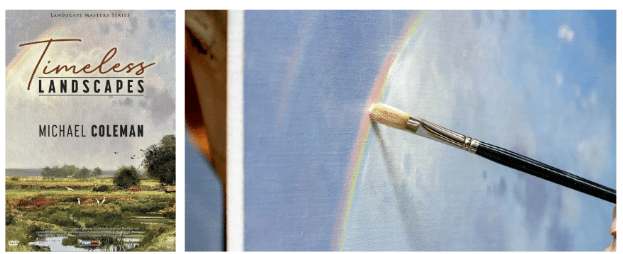
Master landscape artist Michael Coleman loves rainbows and adding their magic wonder to his paintings. He says, “It’s not just painting color, it’s about capturing the light within them.” That’s what Church does so well (in his painting of Niagara at the top of the page), and there’s a repeatable method and technique to it.
When Michael was at Brigham Young University, he’d make his own rainbows out of the lawn-sprinkling system just to see them. He’d ride his bike around town to track down rainbows and study the light and color effects. If you share this passion, you can find out how to capture your wonder in paint with Michael’s Timeless Landscapes video workshop.
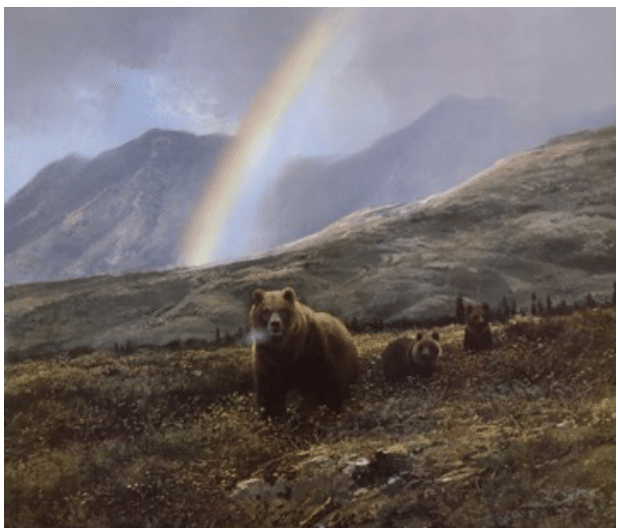
Michael Coleman, “Over the Pass”
Michael draws inspiration from the landscape and the effects of light upon the scenes in which he is immersed. Painting nature, he says, reminds him of “the good old days” when there were more trees, more green, and more marshy spots.
He has spent his career focusing on the finest details of what elevates a landscape painting to the level of “exquisite.” From drawing and painting the sky to seeing light in a brand new way, as you follow along with Michael’s video workshop, you’ll be genuinely enamored as he reveals methods and techniques that are not widely used by other artists … but will be what makes the difference in your own work.
Color your world with help from Michael’s Timeless Landscapes video workshop to add a magical “touch of life” to your own paintings.