What makes you stop at one painting in a gallery and walk past a hundred others? According to celebrated artist C.W. Mundy, the answer might surprise you — it starts not with feeling, but with science.
“A proper definition for painting starts with the understanding and clarification that painting is a science,” Mundy says. “It’s based on historical, researched facts.” From color theory to the golden mean to the Fibonacci sequence, the technical underpinnings of great art are more concrete than most people realize — and understanding them can transform not just how artists paint, but how collectors see and appreciate what hangs on their walls.
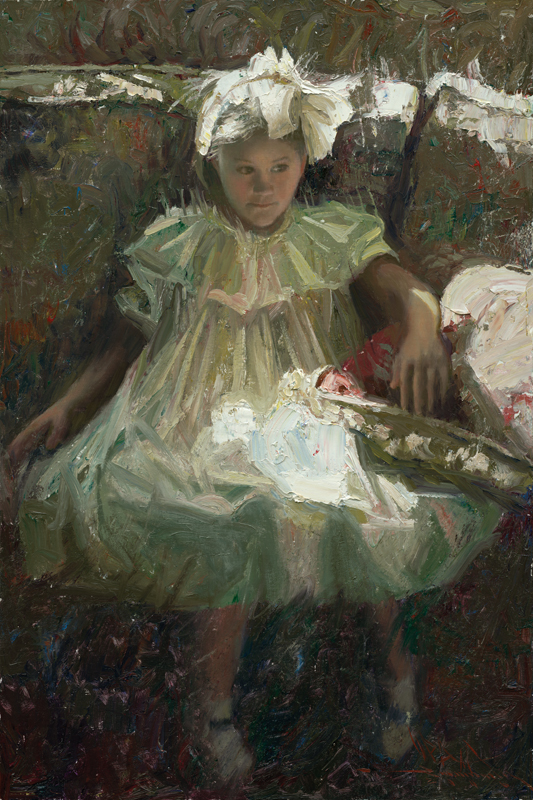
C.W. Mundy, “Portrait of Anne,” 2006, oil on linen, 36 x 24 in.
Mundy has distilled decades of experience into what he calls the Seven Foundational Truths: simplifying by squinting, design, drawing, value, color, edges, and paint manipulation. Master these, he believes, and the door to genuine creative freedom swings wide open.
And that’s where the real magic begins.
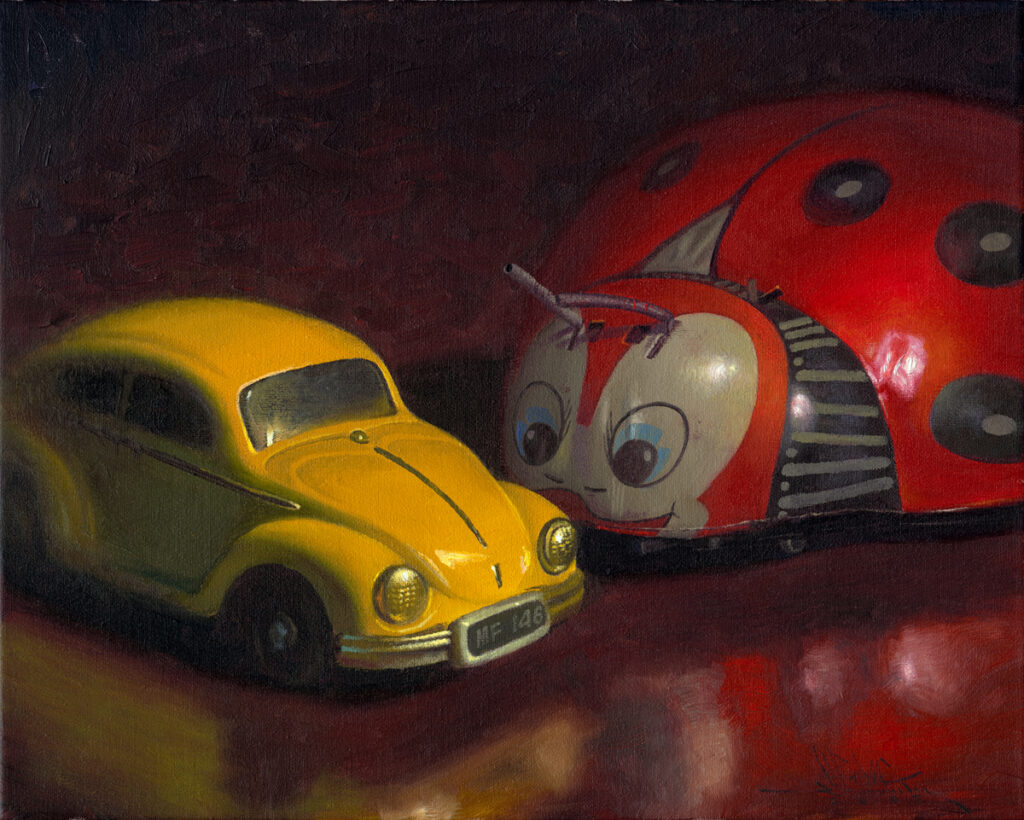
C.W. Mundy, “Identity Theft” (Toy Romanticism 2008 Collection), 16 x 20 inches, oil on linen, painted from life, Collection The Artist
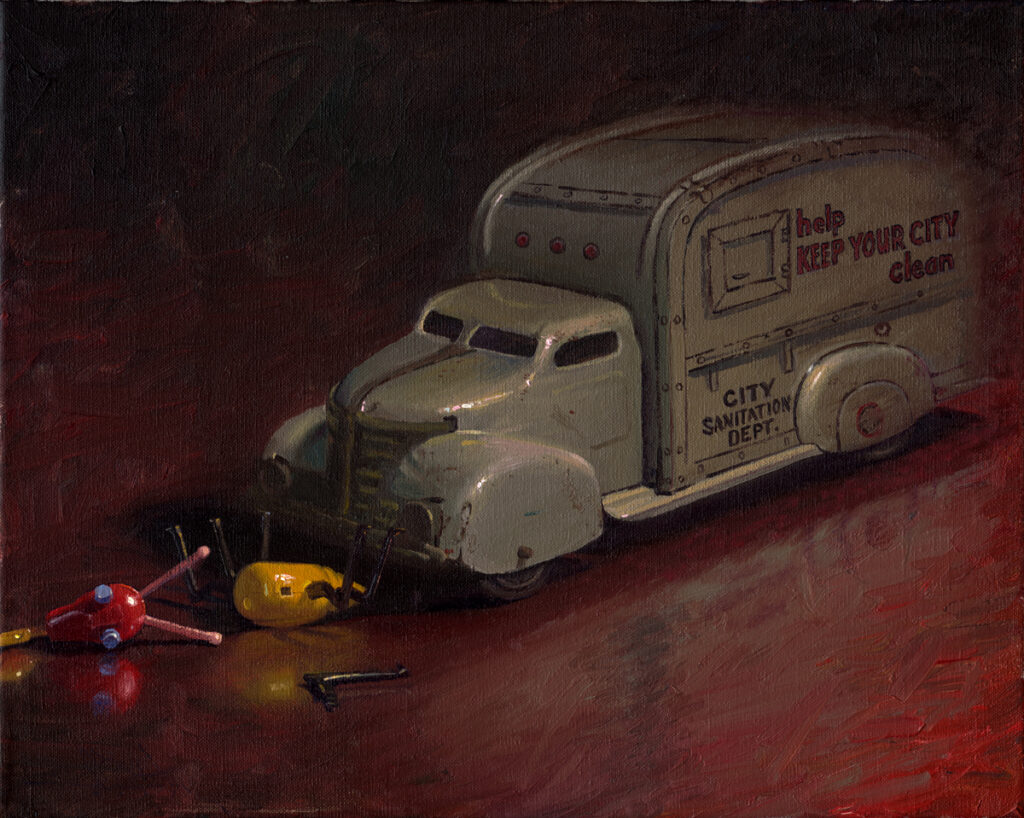
C.W. Mundy, “Road Kill” (Toy Romanticism 2008 Collection), 16 x 20 inches, oil on linen, painted from life, Private Collection
“You’ll never know how far left is or how far right is until you hang out on a limb,” he says. Once the foundational science is internalized, Mundy encourages artists to embrace experimentation fearlessly. He describes his own creative process with the enthusiasm of an explorer: “I’m a child trapped in an adult body,” he laughs, comparing his studio adventures to the expeditions of Lewis and Clark.
“As an artist, your ability to experiment and create is based on your solid understanding of the science of painting,” Mundy explains. “The more experience you have working out the science, the braver you become with experimenting.”
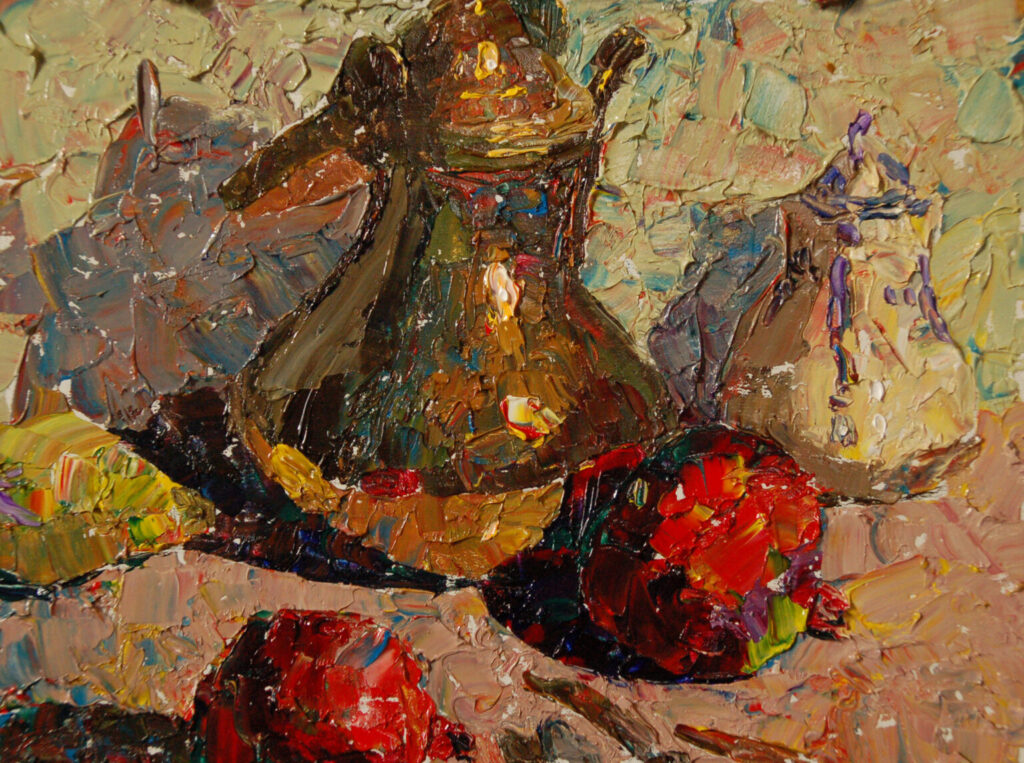
C.W. Mundy, “Brass Teapot, Pomegranates, Flow Blue Pitcher and Pear,” 2011 9 x 12 inches, oil on linen, painted from life, Collection the Artist
The goal, ultimately, is authorship — a painter’s unique voice emerging naturally from years of study, practice, and the willingness to fail boldly in pursuit of something new. As Mundy puts it: “Learn your craft as a painter, and then personalize it — as an artist. That’s the highest level of execution.”
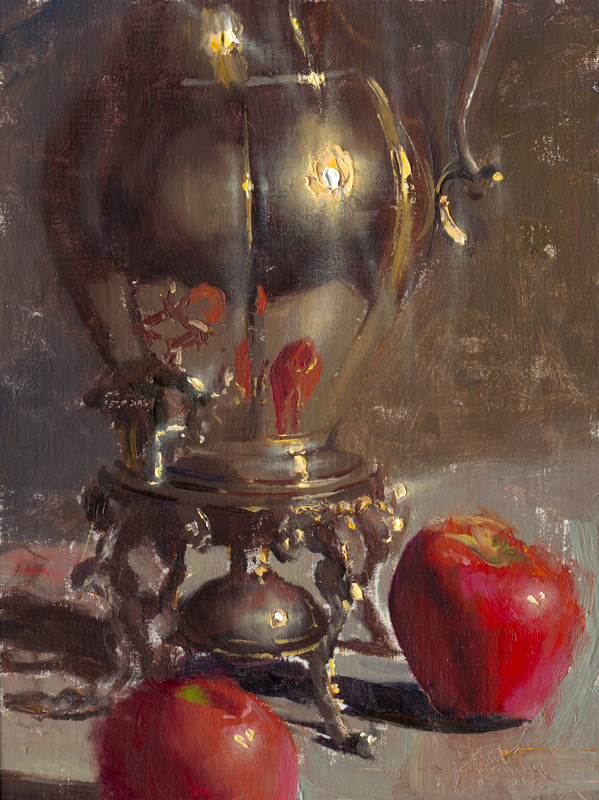
C.W. Mundy, “Silver Coffee Urn,” 2011, oil on linen, 12 x 9 in., painted from life, Provenance Permanent Collection, Indiana Heritage Arts Finalist, Art Renewal Center 2011-2012
For collectors, this framework offers a new lens for looking at the work on your walls. When a painting feels alive — when the light seems to glow, or the brushwork seems to pulse with energy — it’s rarely an accident. It’s the result of an artist who understood the rules deeply enough to know exactly when and how to break them.
It’s a reminder that the paintings you’re most drawn to aren’t just beautiful. They’re the product of someone who did the work — and then dared to go further.
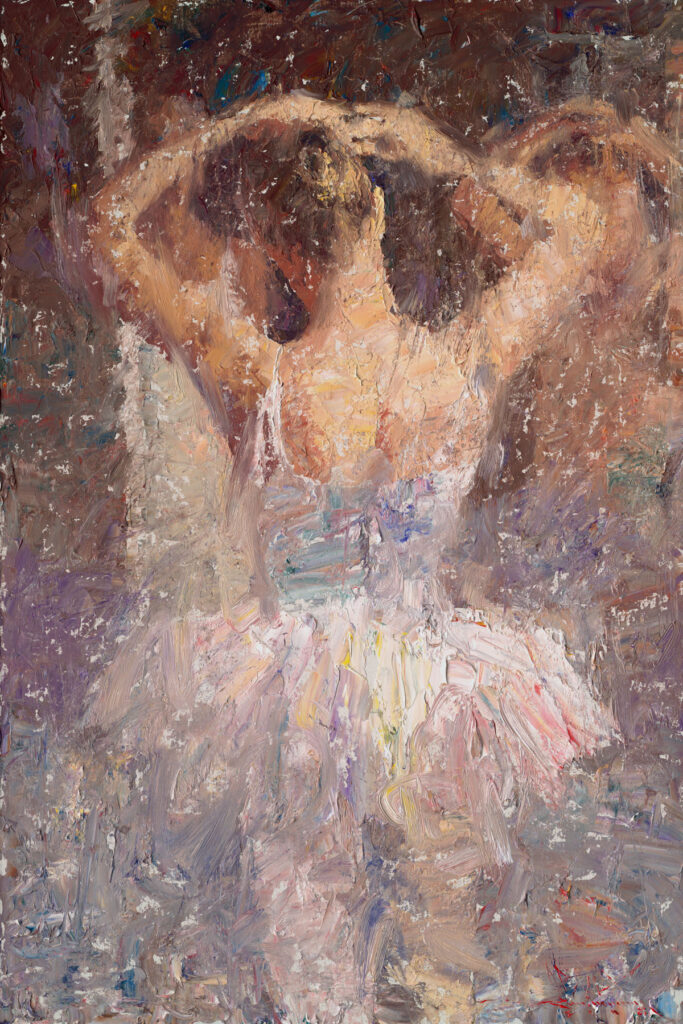
C.W. Mundy, “The Rehearsal,” (Ballet Collection 2008) 36 x 24 inches, oil on linen, Private Collection
The good news? You don’t have to figure it out on your own. In his new video workshop, C.W. Mundy: Still Life Simplified — Master Values to Create Believable Paintings, Mundy shares the exact process he’s spent a lifetime refining — in a format you can learn from anywhere, at your own pace.